Safe Repair in North York, ON: How Do You Fix a Misaligned Safe Door?
When Your Safe Door Stops Closing Properly Safe Repair in


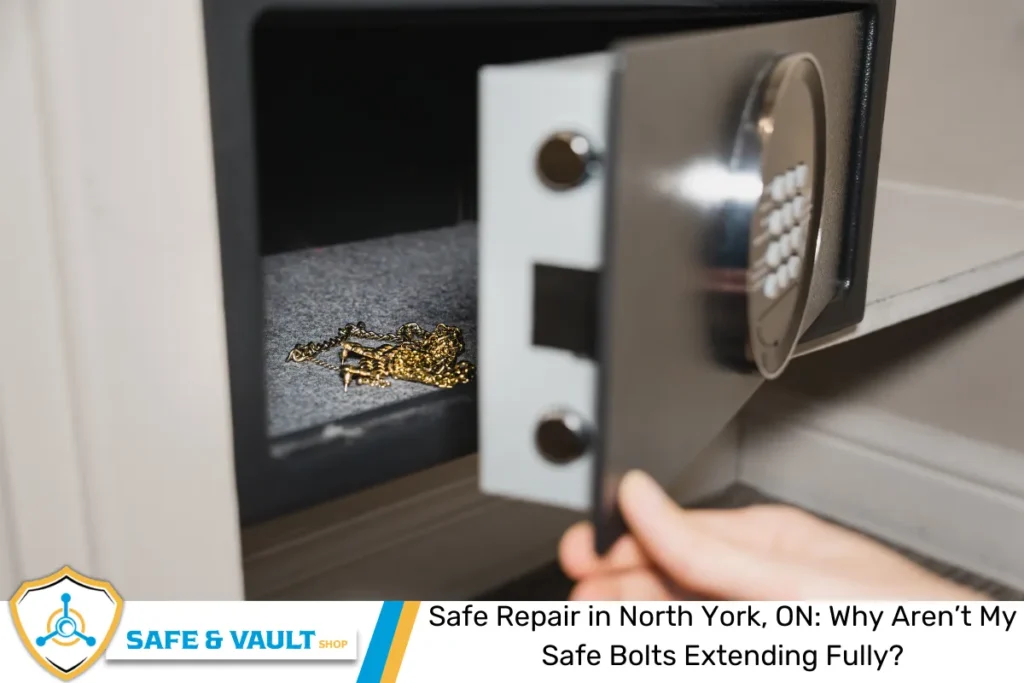
Safe Repair in North York, ON is often requested when homeowners or business owners notice their safe bolts are not extending fully. You turn the handle, enter the correct code, and expect the locking bolts to slide smoothly into place—but they hesitate, stick, or stop halfway. That small mechanical issue can quickly turn into a major security concern. A safe that doesn’t lock properly leaves valuables, documents, and cash vulnerable. It may also lead to a complete lockout if ignored. The good news is that most bolt extension problems have identifiable causes and professional solutions. With the help of a trained safe locksmith, these issues can be diagnosed, repaired, and prevented before they escalate.
Inside most modern safes—whether residential fire safes or commercial-grade units—the locking mechanism consists of solid steel bolts that extend from the door into the safe body. These bolts are connected to an internal linkage system controlled by:
When functioning properly, turning the handle after unlocking the safe retracts or extends multiple locking bolts simultaneously. These bolts distribute pressure evenly across the door, resisting prying and forced entry.
If the bolts do not extend fully:
Understanding how this system works is key before calling for safe repair.

Bolt extension problems rarely happen randomly. They usually develop over time due to mechanical wear, environmental conditions, or misuse.
Door misalignment is one of the most frequent causes of partial bolt extension. Over time, heavy safe doors can sag slightly due to hinge wear. Even a small shift in alignment prevents bolts from lining up with strike holes.
Contributing factors include:
When the door shifts even a few millimeters, bolts cannot fully engage.
Dust, paper fragments, and metal shavings can accumulate inside the bolt chamber. This is especially common in office environments where documents are stored near the safe.
Commercial safes in retail stores may also collect:
This buildup restricts bolt movement and increases friction.
A safe and vault locksmith can disassemble the door panel to clean and lubricate the internal components properly.
Safes are mechanical devices. Like any mechanical system, they require occasional maintenance. Without proper lubrication:
Using the wrong lubricant can actually worsen the issue. Oil-based sprays often attract dust, creating sludge inside the mechanism. Professional locksmiths use specialized dry lubricants designed for safes.
If the locking mechanism fails internally, bolts may not extend fully even when the handle turns.
For example:
Electronic locks can also malfunction due to battery corrosion or power surges.
A trained safe opening locksmith can diagnose whether the issue is mechanical, electrical, or structural.
Fire-resistant safes use insulation materials that expand under high heat. If a safe has been exposed to fire—even partially—the door may warp slightly.
Humidity can also affect certain safe models over time.
When the door or body distorts:
This situation requires professional safe repair rather than DIY adjustments.

Traditional dial safes rely on precise internal tolerances. Common issues include:
Mechanical failures often feel gradual—more resistance when turning the dial or handle.
Electronic locks depend on batteries and circuit boards. Common causes of bolt problems:
If the keypad works but bolts do not extend, the internal bolt mechanism may not be receiving a proper signal.
Safe unlocking in these cases must be done carefully to avoid triggering secondary relocking devices.
If your safe bolts are not extending fully, avoid forcing the handle. Excess pressure can:
Call a professional when:
A qualified safe and vault locksmith in North York will inspect the door alignment, internal bolt work, lock function, and hinge system before recommending repair.
Read Safe Repair in North York, ON: What Causes Safe Bolts to Jam?
Businesses in North York rely heavily on secure safes and vault systems. Restaurants, jewelry stores, pharmacies, and financial offices all use commercial-grade units.
When bolts fail in commercial safes:
Commercial safes often include:
A safecracker trained in non-destructive techniques can perform safe opening while preserving the integrity of the unit.
Minor alignment adjustments may appear simple, but opening the interior panel of a safe without expertise can:
Manufacturers of popular brands such as SentrySafe, Liberty, and AMSEC design their safe and vault systems with complex relockers. These are specifically meant to activate when tampering is detected.
Professional locksmiths are trained to service these systems without causing irreversible damage.

Relockers are security devices installed inside many safes. If drilling, forced entry, or tampering is detected, they permanently block bolt movement.
Sometimes, a partially activated relocker can cause:
Safe unlocking in this case requires precise drilling at manufacturer-approved points. Improper drilling can render the safe unusable.
North York experiences:
Metal expands and contracts with temperature changes. In basement installations especially, humidity can cause:
Using dehumidifiers inside safes helps protect both contents and mechanical components.
Routine maintenance significantly reduces the need for emergency safe repair.
Commercial properties may benefit from annual maintenance checks to remain compliant with insurance standards.
When bolts are stuck and the safe cannot open, a safecracker uses:
The goal is non-destructive entry whenever possible.
Modern locksmiths prioritize preserving the safe body so it can be repaired rather than replaced.
In Ontario, locksmiths must comply with provincial business regulations and municipal bylaws. While locksmithing itself is not provincially licensed under a single governing body, reputable professionals:
Commercial safe service must respect privacy and property laws. Always verify credentials before hiring a locksmith.
In some cases, safe repair may not be cost-effective.
Replacement may be recommended if:
However, most bolt extension issues can be repaired affordably by a trained safe and vault locksmith.
Delaying service can result in:
Addressing partial bolt extension early often prevents full safe opening procedures.
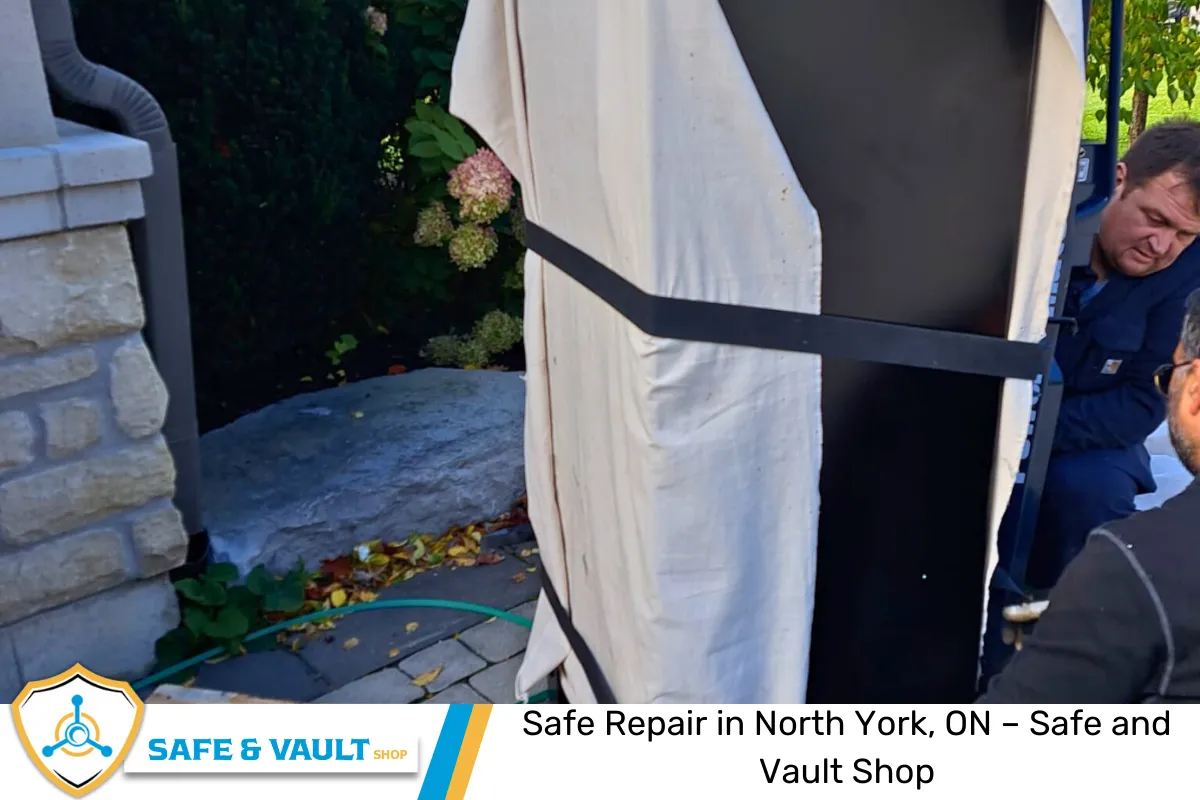
At Safe and Vault Shop, we specialize in professional safe repair for homeowners and businesses across North York, Ontario and surrounding areas. If your safe bolts aren’t extending fully, don’t force the handle. We provide expert diagnostics, safe unlocking, and precise repairs that restore full security to your unit. Our experienced safe locksmith team works with residential safes, commercial safe and vault systems, and high-security models. We focus on non-destructive safe opening whenever possible. Call us today at (647) 762-7387 or fill out our contact form to schedule service. Safe and Vault Shop is committed to protecting what matters most with reliable, efficient solutions you can trust.
Yes, prolonged humidity exposure can lead to corrosion on internal bolt components. While surface rust may be cleaned and lubricated, deep corrosion can weaken bolt integrity and restrict movement permanently. Installing silica gel packs or a safe dehumidifier reduces internal moisture. If corrosion has progressed, a safe locksmith may need to replace affected components rather than simply lubricating them.
A small amount of resistance can be normal in heavy-duty safes due to multiple locking points. However, grinding, scraping, or uneven resistance is not normal. These signs often indicate alignment problems or internal wear. If the handle suddenly feels different, schedule inspection before a full lockout occurs.
Yes. Moving a safe without professional equipment can twist the frame slightly. Even minor structural shifts affect bolt alignment. After relocation, always test the locking mechanism several times before loading valuables back inside.
Minor adjustments may take under an hour. Internal lock replacement or bolt realignment can take several hours depending on complexity. If drilling is required, repair time increases because restoration must follow immediately after safe opening.
Older safes often have durable construction, but internal parts may wear over decades. Springs weaken, lubrication dries out, and tolerances shift. Routine maintenance extends lifespan significantly and prevents sudden failure.
Important Notice: This article provides general informational guidance about safe repair and bolt extension issues. It is not a substitute for professional locksmith service or manufacturer recommendations. Always consult a qualified technician for inspection and repair.
Read Safe Repair in North York, ON: Do Digital Safes Require Different Repairs Than Mechanical Safes?
When Your Safe Door Stops Closing Properly Safe Repair in
When Your Safe Refuses to Open: Why It Happens and
When a Simple Beep Turns Into a Lockout Emergency North
Why a Damaged Safe Dial Is More Than Just an
North York Safe Opening Locksmith services are often the first

North York Safe Opening Locksmith services often begin with an

Safe Locks are designed to protect valuables, sensitive documents, firearms,

Safe Locks can fail without warning, leaving you locked out
When a Secure Investment Suddenly Won’t Open Safe Repair in

Safe Repair in North York, ON is often requested when