Safe Repair in North York, ON: Why Does My Safe Door Make Noise When Opening?
When a Quiet Safe Suddenly Starts Talking Back Safe Repair


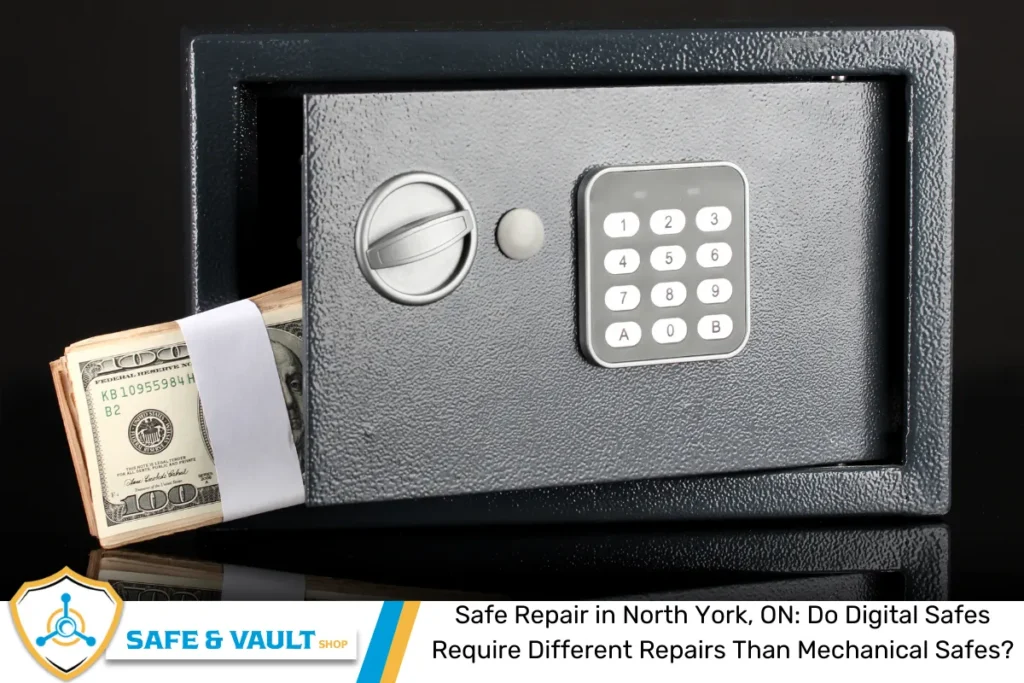
Safe Repair in North York, ON is no longer a one-size-fits-all service, especially as more property owners rely on advanced locking technology. The problem many people face is assuming all safes break—or get fixed—the same way. That assumption can be costly. A malfunctioning digital keypad can lock you out instantly, while a worn mechanical dial may slowly drift out of alignment without obvious warning. The frustration builds when valuables, documents, or firearms are suddenly inaccessible. The solution lies in understanding how digital safes and mechanical safes differ, why their failures are unique, and how proper safe repair techniques restore both security and access without causing damage.
Safes were once purely mechanical devices built around precision engineering and manual components. Today, electronic security has changed how safes function and how they fail. This evolution directly affects safe repair practices, tools, and diagnostic methods.
Digital safes rely on electronics, power sources, and internal circuit boards, while mechanical safes depend on physical tolerances, wheel packs, and lock alignment. Repairing each type requires different skills, experience, and problem-solving approaches.
In North York and across Ontario, residential and commercial safes are subject to building codes, fire regulations, and insurance standards. Improper repairs can void warranties, reduce fire ratings, or compromise security compliance.
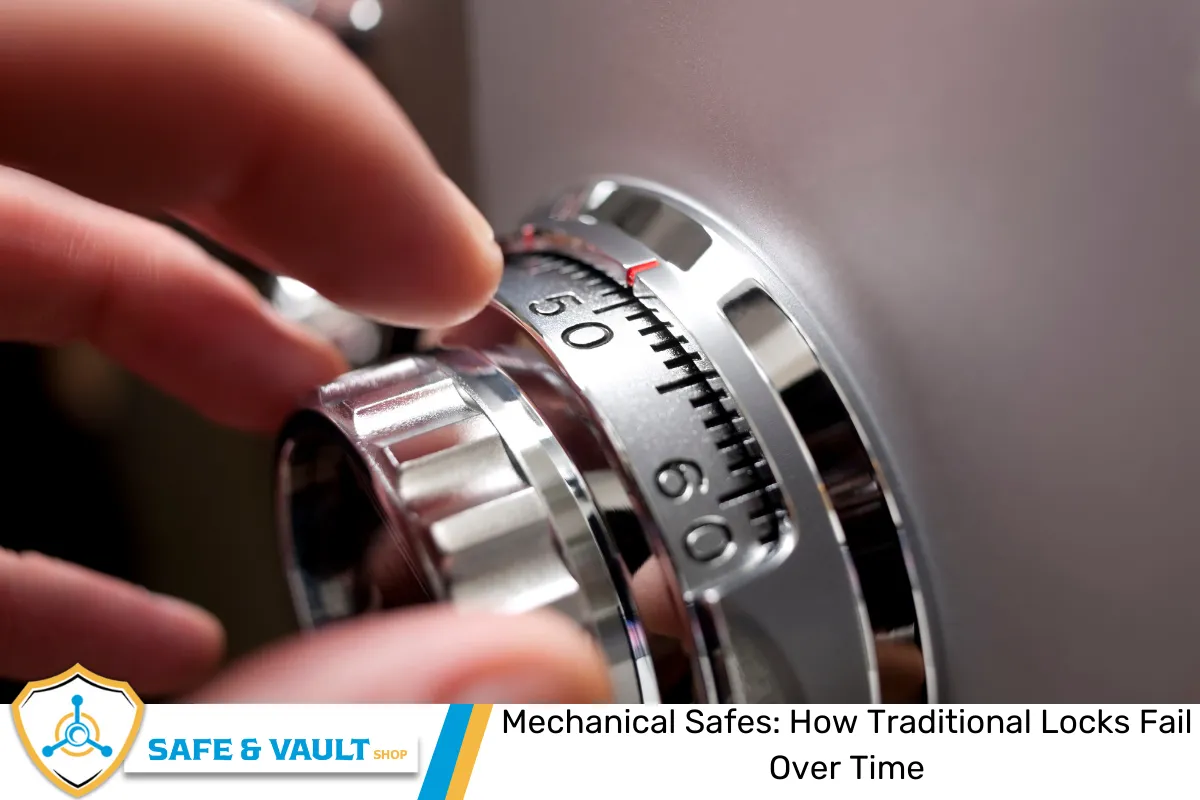
Mechanical safes are known for durability, but they are not immune to wear. Their reliability depends on precision components working in harmony.
Mechanical safe repair often addresses problems such as:
Unlike electronic locks, these failures typically develop gradually. Many owners ignore early warning signs like stiff dialing or inconsistent opening, which eventually leads to full lockouts.
Mechanical safe repair is highly technical. A small misalignment inside the lock can prevent proper engagement. Skilled technicians rely on manipulation, measurement, and non-destructive opening techniques to preserve the safe’s integrity.
Drilling is avoided whenever possible, especially on fire-rated or high-security safes. In Ontario, improper drilling may violate fire code standards if not correctly repaired and relined afterward.
Digital safes offer convenience, faster access, and audit features, but they introduce new vulnerabilities that mechanical models do not have.
Electronic safe repair often involves issues such as:
In colder climates like North York, temperature fluctuations can accelerate battery drain or affect electronic components.
Unlike mechanical safes, digital models depend on power. A drained battery can instantly block access. Some safes include emergency override keys, but improper use can damage the lock and require additional safe repair.
Electronic repairs often require diagnostic testing, component replacement, and recalibration—tasks that demand specialized training and manufacturer familiarity.
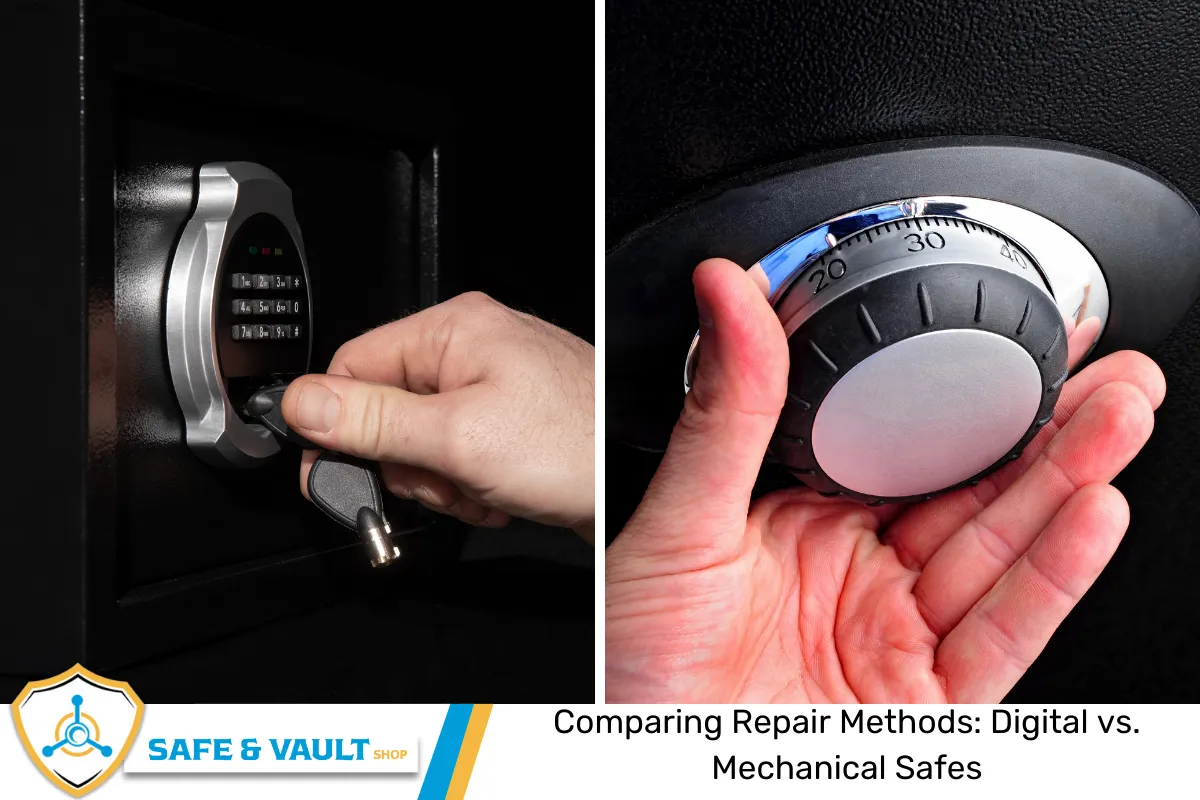
Understanding how repair approaches differ helps safe owners make informed decisions when choosing a technician.
Mechanical safe repair focuses on tactile feedback, sound, and manual measurement. Digital safe repair relies on voltage testing, circuit inspection, and keypad diagnostics.
Mechanical repairs use manipulation tools, scopes, and precision measuring instruments. Digital repairs require multimeters, electronic schematics, replacement boards, and programming tools.
Mechanical issues may take longer to diagnose but often result in long-term reliability. Digital repairs can be quicker if parts are available but may require future maintenance due to electronic aging.
Attempting DIY fixes or hiring unqualified technicians increases security risks.
Improper drilling can weaken the safe body or door, reducing burglary resistance and fire protection.
Fire-rated safes must be repaired according to manufacturer and industry standards. Unauthorized modifications can invalidate certifications.
In Ontario, insurers may deny claims if a safe was altered improperly. Professional safe repair helps maintain compliance and documentation.
Read Safe Repair in North York, ON: Why Does My Safe Door Make Noise When Opening?
Lockouts are one of the most common reasons people seek emergency safe repair.
These often result from combination drift or internal wear. Forceful dialing can worsen the problem.
Electronic lockouts may occur suddenly due to power loss or keypad failure. Repeated attempts can trigger time-delay lockouts, extending access delays.
In both cases, professional intervention minimizes damage and restores access efficiently.
Preventive maintenance plays a major role in extending safe life.
Routine maintenance reduces the likelihood of emergency safe repair calls.
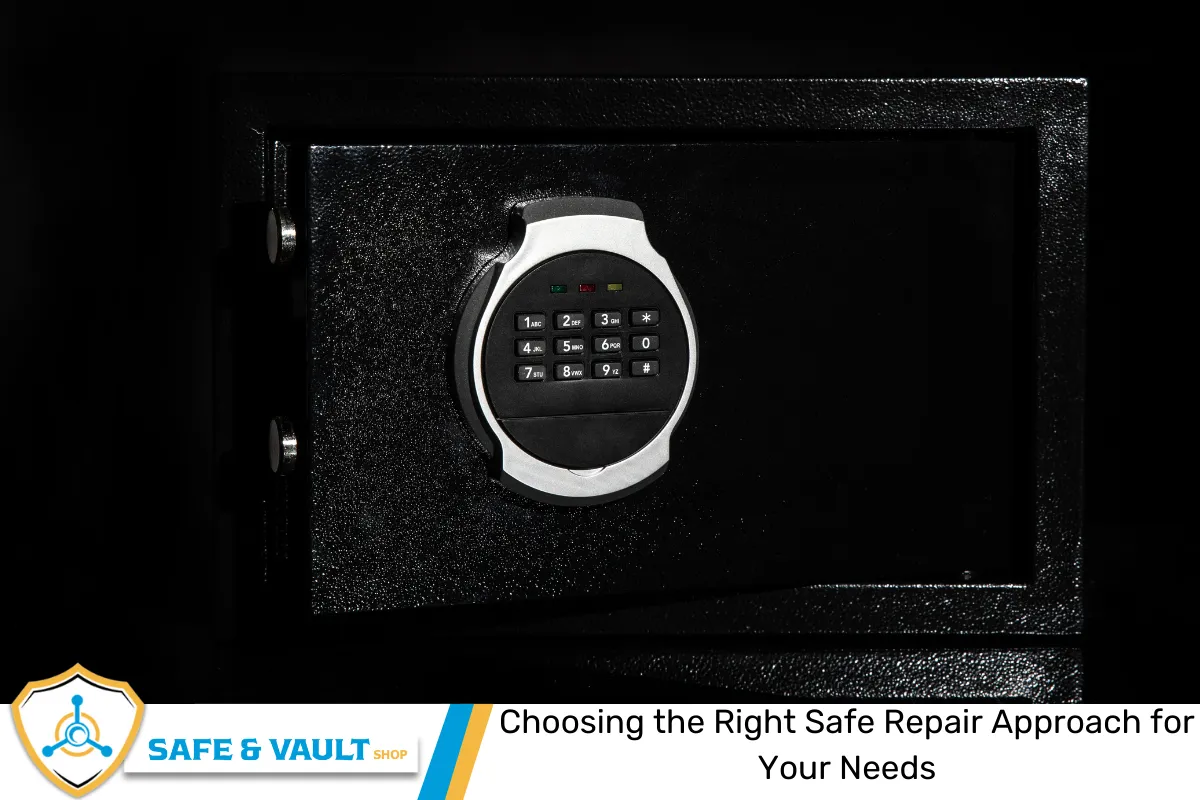
Not all safes benefit from the same repair strategy. Usage patterns, location, and contents all matter.
High-use commercial safes may require more frequent servicing than residential models. Firearms safes, document safes, and cash safes each present unique repair considerations.
Professional safe repair technicians assess the lock type, safe rating, and environment before recommending repairs or upgrades.
Safe repair in North York, ON requires awareness of regional conditions, including humidity, seasonal temperature changes, and local safety regulations.
Ontario fire codes and workplace safety standards influence how safes must be repaired and re-certified. Local expertise ensures repairs meet both manufacturer specifications and legal expectations.
Digital and mechanical safes are built on fundamentally different technologies, and their repair methods reflect that reality. Mechanical safes demand precision and patience, while digital safes require electronic expertise and component-level knowledge. Understanding these differences helps safe owners avoid unnecessary damage, costs, and security risks. When performed correctly, professional safe repair restores full functionality while preserving the safe’s protective capabilities for years to come.
Read Safe Opening Locksmith in North York, ON: Why is My Safe Beeping and Not Opening?
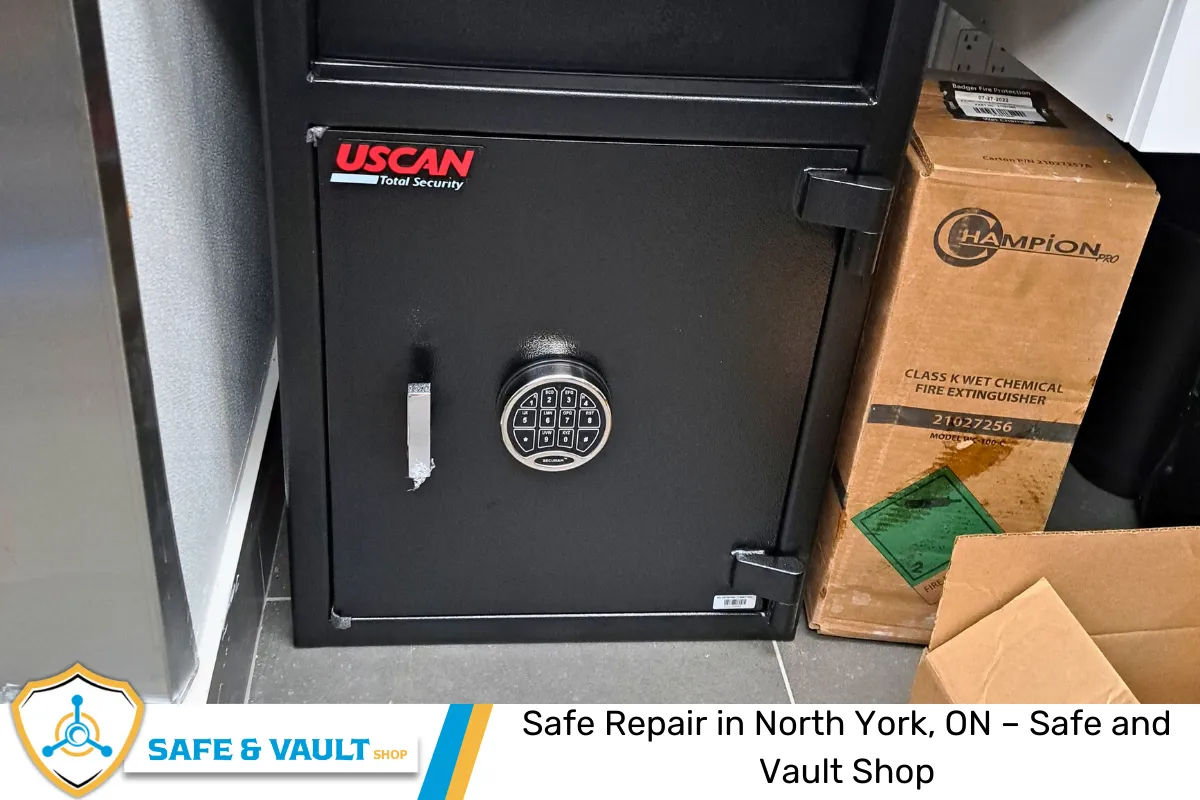
We specialize in professional safe repair for both digital and mechanical safes, serving clients throughout North York, Ontario and surrounding areas. At Safe and Vault Shop, we understand that every safe has a purpose—protecting what matters most. Our team uses proven techniques to diagnose lockouts, repair failed components, and restore security without compromising fire ratings or structural integrity. Whether you’re dealing with an electronic keypad failure or a mechanical dial issue, we provide reliable, compliant solutions. Call us at (647) 762-7387 or fill out our contact form to schedule safe repair with experienced professionals who put your security first.
Safe repair time depends on the lock type and severity of the issue. Mechanical repairs can take longer due to precision diagnostics, while digital repairs may be faster if replacement parts are available. Emergency lockouts are often resolved the same day, but complex internal repairs may require additional time for proper calibration and testing.
Yes, some digital safes can be retrofitted with mechanical locks, depending on the safe’s design. This process requires professional evaluation to ensure compatibility, maintain security ratings, and avoid structural modifications that could weaken the safe or void certifications.
Drilling should only be performed by trained professionals and only when non-destructive methods fail. Proper drilling techniques minimize damage and allow for secure repair afterward. Incorrect drilling can permanently reduce burglary resistance and fire protection.
A safe can retain its fire rating if repairs follow manufacturer guidelines and industry standards. Improper repairs, unauthorized drilling, or missing insulation materials can invalidate fire protection, which is why professional safe repair is critical.
Mechanical safes benefit from inspection every few years, especially with frequent use. Digital safes should be checked periodically, with batteries replaced annually. Regular servicing reduces unexpected failures and extends the safe’s lifespan.
Disclaimer: This article is for general informational purposes only and does not constitute legal or security advice. Safe repair requirements may vary based on safe type, manufacturer specifications, and applicable Ontario regulations. Always consult a qualified professional for specific safe repair needs.
Read North Toronto Safe Repair: Can All Types of Safes Be Repaired?
When a Quiet Safe Suddenly Starts Talking Back Safe Repair
When Modern Security Meets Old-School Reliability Safe Repair in North
When You’re Locked Out and Time Is Not on Your
When a Trusted Safe Suddenly Becomes a Problem Safe Opening
Deciding the Best Option for Your Damaged Safe in North
Reliable Safe Repair Services in North Toronto: Your Security Matters
Elevate Your Security With Integrated Safe Solutions North York safe
Secure Your Valuables with Modern Technology When searching for a
If you’re searching for a North York safe and vault
Are you worried about protecting your cash, sensitive documents, or