Safe Repair in North York, ON: How Do You Fix a Misaligned Safe Door?
When Your Safe Door Stops Closing Properly Safe Repair in


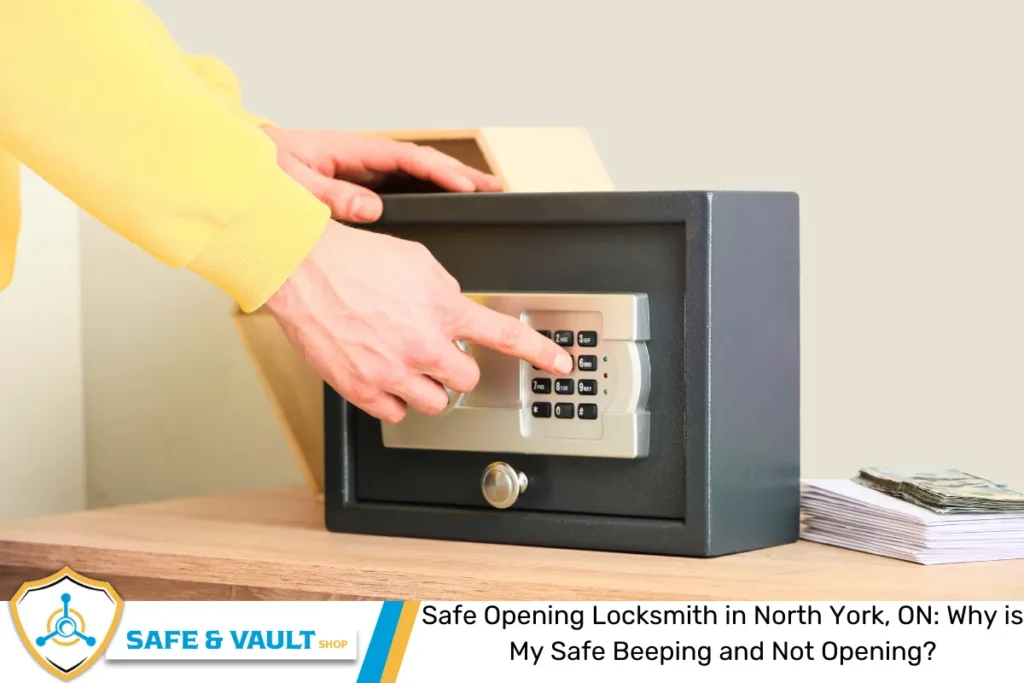
Safe Opening Locksmith in North York, ON is often the phrase people search only after a frustrating moment—when a safe starts beeping, refuses to open, and guards important items you urgently need. The problem usually begins with a simple alert, but that sound can quickly trigger stress, uncertainty, and fear of damage. You might worry about lost documents, locked-in valuables, or whether the safe itself has failed permanently. Ignoring the beeping rarely helps, and guessing the wrong fix can make things worse. The good news is that most beeping safes are signaling a specific issue, not total failure. With the right knowledge and a professional safe opening locksmith, these situations can be resolved safely, legally, and without unnecessary damage.
A beeping safe is not random. Manufacturers design safes to communicate problems through audible alerts. These alerts are meant to protect the contents and the locking mechanism.
The most common reason a safe beeps is low battery power. Electronic safes rely on steady voltage to engage and disengage locking bolts. When power drops below a certain level, the keypad triggers a warning beep.
Signs this may be the issue include:
If the battery fully dies before replacement, the safe may lock itself to prevent unauthorized access. This is when people often call a safe opening locksmith.
Many digital safes include a lockout feature. After several incorrect code entries, the safe emits repeated beeps and temporarily disables input. This prevents brute-force attempts but can surprise legitimate owners.
Lockout periods vary. Some last minutes, others hours. Continued attempts during lockout can extend the delay or cause a permanent fault that requires professional opening.
Mechanical interference is another reason for beeping combined with failure to open. Misaligned bolts, internal debris, or pressure on the door can prevent the locking mechanism from moving freely.
This is common when:
The safe senses resistance and warns the user with beeping.
Not all safes behave the same way. Understanding your safe’s design helps explain the beeping and what steps are safe to take.
Digital safes are the most likely to beep. They rely on circuit boards, keypads, and battery power. Alerts may indicate:
A safe opening locksmith often checks power access points, emergency terminals, and internal wiring before attempting entry.
Fingerprint safes add convenience but introduce another failure point. Beeping may indicate:
Repeated failed scans often trigger alerts and lockout modes.
Traditional dial safes usually do not beep. If they do, it means the safe has a hybrid electronic component or alarm system. In these cases, the issue is rarely with the dial itself but with an internal alert module.
It’s tempting to pry, drill, or strike a safe when it won’t open. This often leads to permanent damage.
Safes are designed to resist force. Applying pressure can:
Once damaged, even a professional safe opening locksmith may need to use destructive methods, increasing costs and reducing the safe’s future reliability.
Many safes include warranties that become void if unauthorized entry is attempted. Drilling or tampering can eliminate coverage, even if the issue was originally minor.
In Ontario, safe opening must be performed by the legal owner or an authorized professional. Damage caused by improper access may raise issues with insurance claims, especially if the safe stores firearms, cash, or business records.
Read Safe Opening Locksmith in North York, ON: Do Safes Have an Override Code?
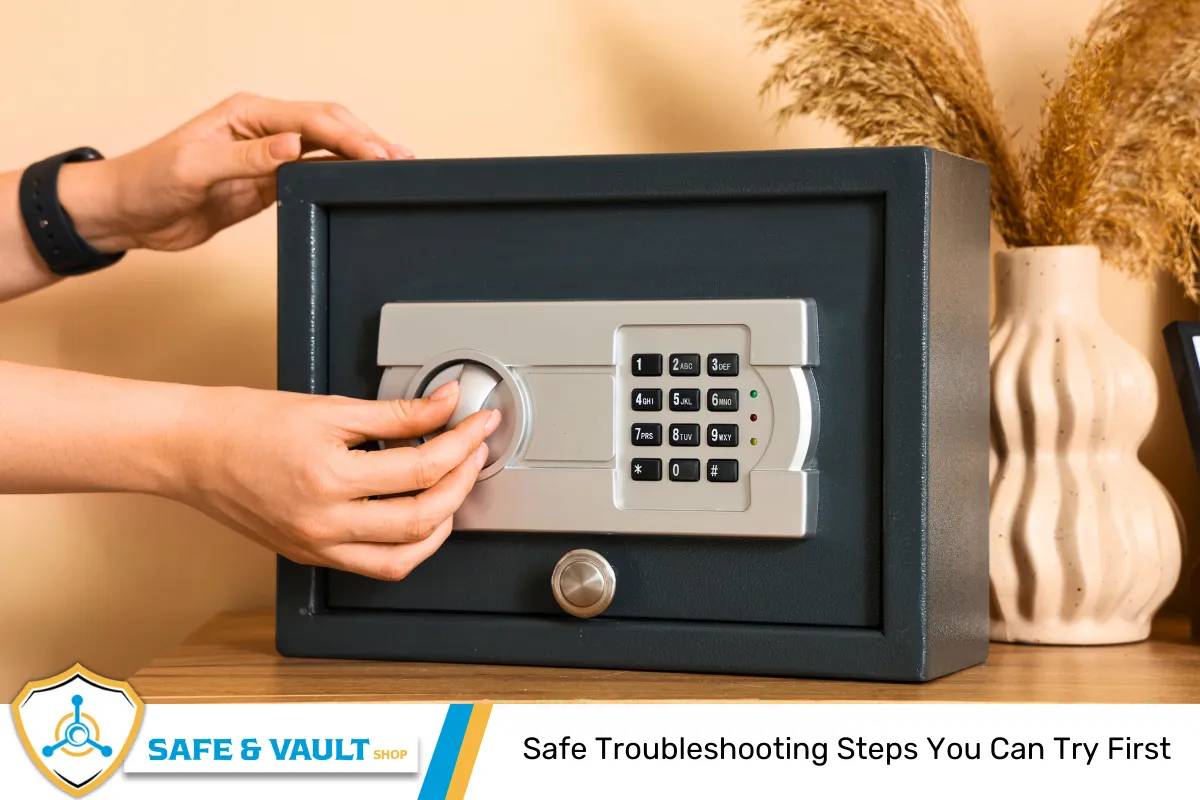
Before calling a safe opening locksmith, there are a few safe and legal steps you can attempt.
If your safe uses standard batteries:
Some safes have external battery compartments, while others require a backup power terminal.
Gently pull the door toward you while entering the code. This relieves internal pressure on locking bolts and can allow them to retract.
If incorrect codes were entered, wait the full lockout time without pressing any buttons. Interrupting this process may reset the timer.
If these steps fail, stop troubleshooting. Continued attempts can escalate a minor issue into a full lock failure.
There’s a clear line between safe troubleshooting and professional intervention. Knowing when to stop protects both the safe and its contents.
Call a professional if:
A qualified safe opening locksmith uses diagnostic tools, manipulation techniques, and manufacturer-specific knowledge to resolve issues without unnecessary damage.
Professionals prioritize non-destructive opening whenever possible. These methods preserve the safe’s integrity and include:
Destructive methods are used only as a last resort and are performed in a controlled, compliant manner.
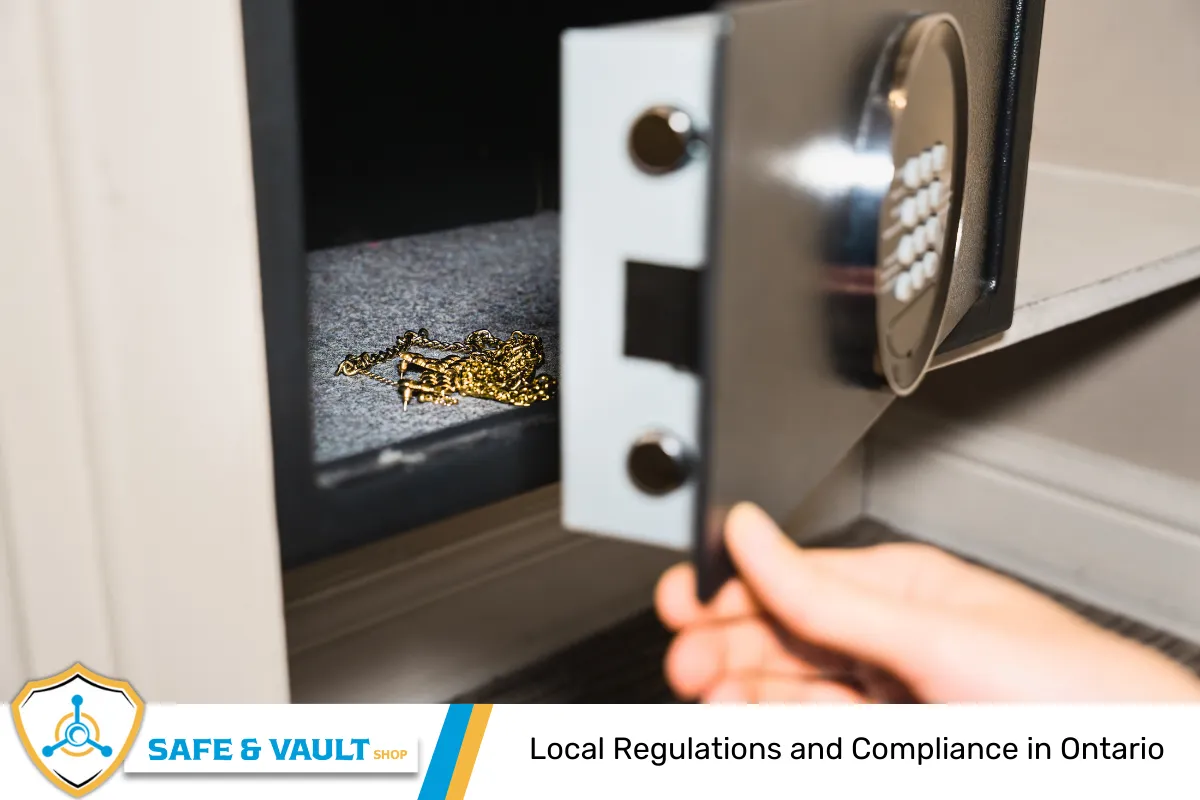
Safe opening services in Ontario must follow legal and ethical standards.
A locksmith may require:
These steps protect property rights and prevent unlawful access.
Safes containing firearms or regulated items are subject to additional scrutiny. Opening these safes must comply with provincial and federal storage laws. A professional safe opening locksmith understands these obligations and works within them.
Once your safe is open, prevention becomes the priority.
Store backup codes and manuals securely outside the safe. Avoid frequently changing codes unless necessary, as this increases the risk of user error.
Safes are precision security devices, not simple containers. Experience matters when diagnosing electronic faults, mechanical resistance, or hybrid lock failures.
A knowledgeable safe opening locksmith understands how different brands, lock types, and alert systems behave under stress. This expertise reduces damage, saves time, and restores access safely.
A beeping safe that won’t open is rarely a mystery—it’s a warning. Whether the cause is low power, lockout mode, or internal resistance, the sound is your safe asking for attention. Acting calmly, avoiding force, and knowing when to call a safe opening locksmith in North York, ON can turn a stressful moment into a manageable fix. With the right approach, most safes can be opened, reset, and returned to reliable service without lasting damage.
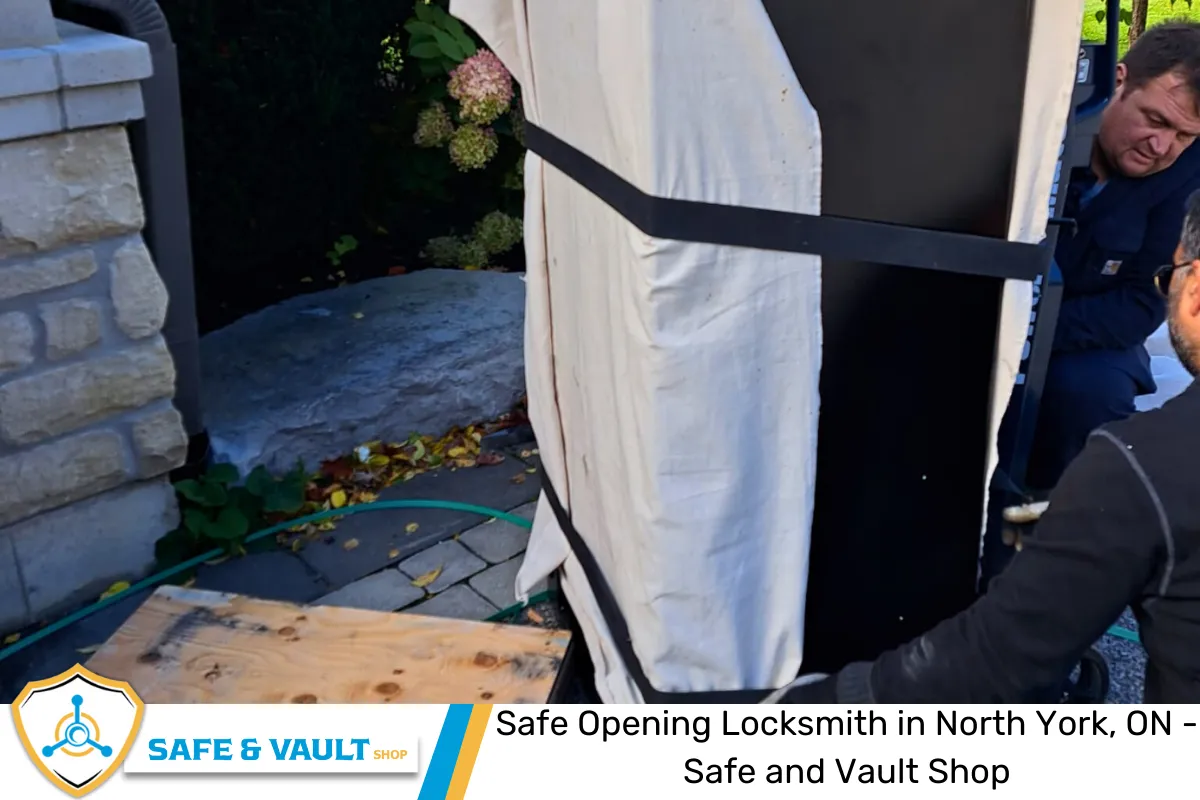
When your safe refuses to open and the beeping won’t stop, we’re here to help. At Safe and Vault Shop, we specialize in professional safe opening locksmith services designed to protect your valuables and your peace of mind. We understand how electronic, biometric, and mechanical safes behave under failure, and we use proven, non-destructive techniques whenever possible. Our team works in compliance with North York, Ontario regulations and handles each call with discretion and care. If your safe is locked, unresponsive, or signaling an error, call us at (647) 762-7387 or fill out our contact form today. We’re ready to restore access quickly and responsibly.
A beeping safe will not usually damage itself simply by remaining closed, but the underlying issue can worsen over time. Low batteries may eventually leak, corroding internal contacts. Repeated lockout cycles can strain electronic components. Addressing the cause early, either through proper troubleshooting or by contacting a safe opening locksmith, reduces the risk of long-term damage and higher repair costs.
Not all safes include a backup key or external power option. Many high-security models intentionally remove these features to reduce vulnerability. In such cases, professional safe opening relies on manipulation, diagnostics, or controlled drilling. A safe opening locksmith can determine the best method based on the safe’s design without compromising security standards.
Yes, you can attempt to open your own safe. However, if the safe contains regulated items or belongs to a business or estate, documentation may be required. Improper methods that damage the safe could also affect insurance coverage. Consulting a professional ensures compliance and reduces risk.
This often indicates partial authentication. The code may be correct, but the lock cannot disengage due to low power, internal resistance, or a mechanical fault. The safe alerts you because it cannot complete the opening cycle. Continued attempts may trigger lockout, making professional assistance necessary.
In most cases, yes. Once opened, a safe opening locksmith can reset codes, replace components, and test the lock to restore normal operation. If internal parts are damaged or outdated, upgrades may be recommended to improve reliability and prevent future lockouts.
Disclaimer: This article is for general informational purposes only and does not replace professional locksmith advice or services. Safe designs and regulations may vary. Always consult a qualified safe opening locksmith for issues involving secure access, regulated items, or potential damage.
Read Safe Repair in North York, ON: Do Digital Safes Require Different Repairs Than Mechanical Safes?
When Your Safe Door Stops Closing Properly Safe Repair in
When Your Safe Refuses to Open: Why It Happens and
When a Simple Beep Turns Into a Lockout Emergency North
Why a Damaged Safe Dial Is More Than Just an
North York Safe Opening Locksmith services are often the first

North York Safe Opening Locksmith services often begin with an

Safe Locks are designed to protect valuables, sensitive documents, firearms,

Safe Locks can fail without warning, leaving you locked out
When a Secure Investment Suddenly Won’t Open Safe Repair in

Safe Repair in North York, ON is often requested when