Safe Repair in North York, ON: How Do You Fix a Misaligned Safe Door?
When Your Safe Door Stops Closing Properly Safe Repair in


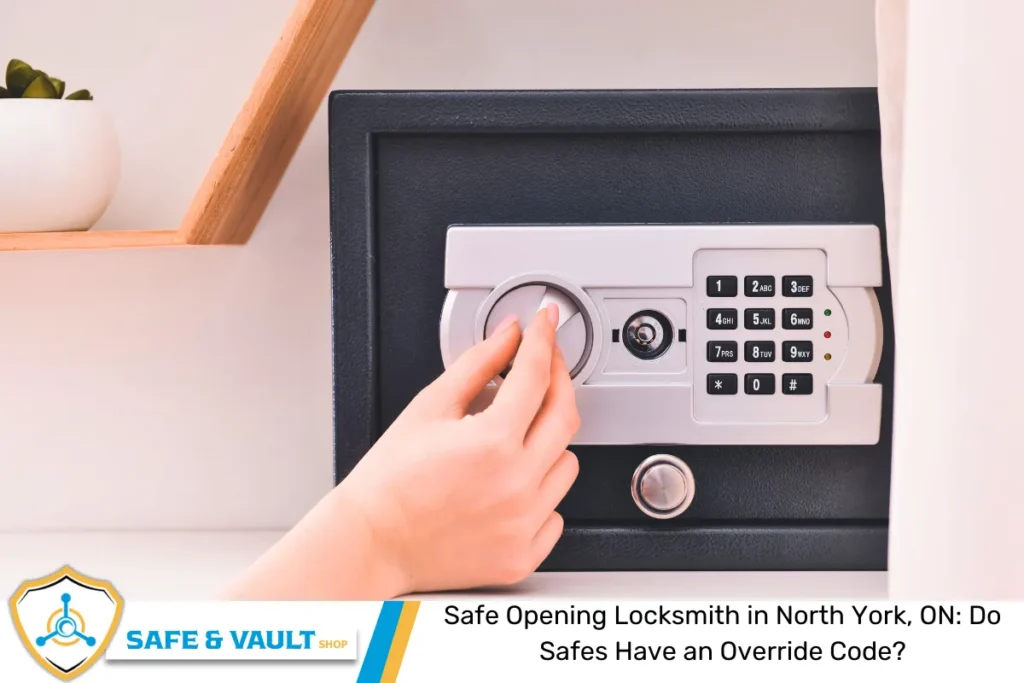
Safe Opening Locksmith in North York, ON is often the first phrase people search when a safe suddenly refuses to open. The problem usually starts with a forgotten combination, dead batteries, or a keypad that no longer responds. That stress quickly turns into panic when important documents, valuables, or business assets are trapped inside. Many people then wonder if there is a hidden override code that can instantly solve the issue. The truth is more complex. Some safes offer emergency access options, while others are designed to resist any form of bypass. Understanding how override codes work, when they exist, and when professional help is required can save you time, money, and prevent permanent damage to your safe.
Safes are engineered with one core purpose: security. Whether used in homes, offices, retail environments, or financial institutions, modern safes are designed to protect against theft, fire, and unauthorized access. Because of this, manufacturers intentionally limit or eliminate simple override features that could compromise security.
An override code that universally opens a safe would defeat the entire purpose of owning one. As a result, many safes either do not have an override code at all or restrict access to it through controlled procedures. This is why a safe opening locksmith is often required when access is lost.
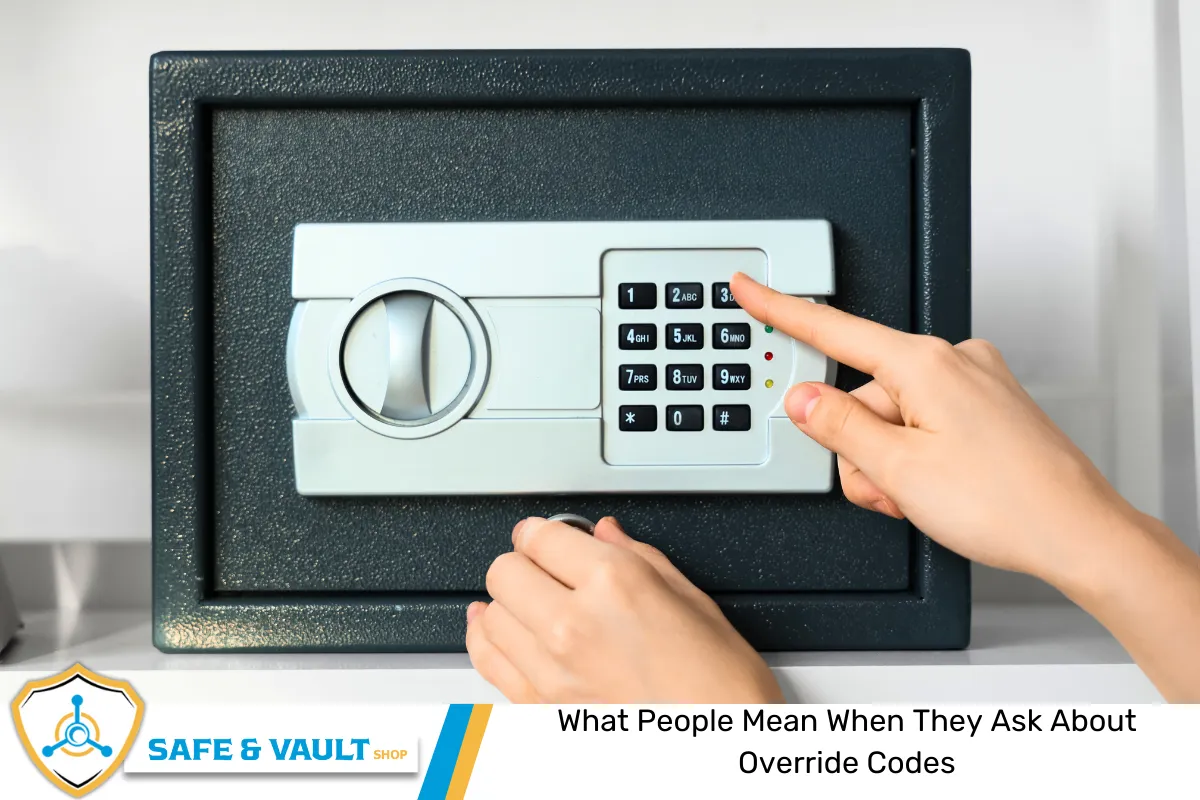
When people ask if safes have an override code, they often imagine a master password similar to resetting a phone or router. In reality, safes do not function that way. There is no universal override code that opens all safes, and anyone claiming otherwise should be approached with caution.
In the safe industry, an override may refer to:
Each of these options depends heavily on the safe’s design and security level.
Mechanical safes rely on rotating dials and internal wheels. These do not use electronics, batteries, or software.
Key points:
A safe opening locksmith trained in mechanical systems may be able to open these safes without drilling, depending on the model and condition.
Electronic safes are common in homes and businesses due to convenience.
Possible override features include:
These features are not guaranteed and often vary by brand and model.
Biometric safes use fingerprints or facial recognition.
Backup access may include:
Because biometric systems can fail due to sensor issues or power loss, professional safe opening locksmith services are frequently required.
Commercial-grade safes used by businesses, pharmacies, and institutions rarely include override codes.
Security features often include:
These safes almost always require a certified locksmith for lawful opening.
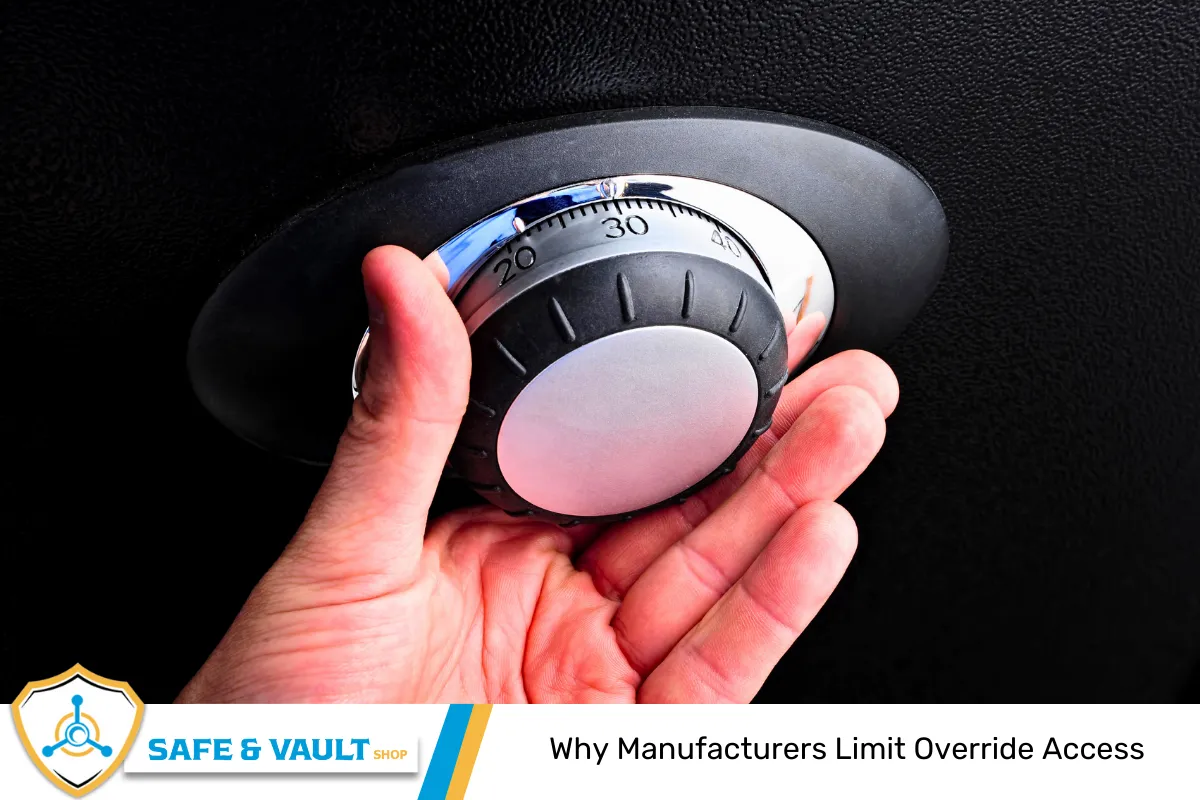
Override codes pose a security risk if leaked, reused, or improperly stored. Limiting access protects both owners and manufacturers from liability.
Insurance providers and security certifications often require safes to resist bypass attempts. Built-in override codes could invalidate coverage or compliance.
Manufacturers must ensure that access is only granted to rightful owners. This is why many reset or override procedures require documentation and professional involvement.
While rare, some safes include limited override options:
Even in these cases, override access is controlled and not publicly available.
Drilling, prying, or forcing a safe can permanently damage locking mechanisms and compromise fire or burglary ratings.
Unauthorized entry attempts may void manufacturer warranties and invalidate insurance claims.
In Ontario, safe opening must comply with property and criminal laws. Attempting to open a safe without proper authorization or proof of ownership can result in legal issues.
A trained safe opening locksmith follows strict procedures designed to protect both the safe and the owner.
Typical steps include:
This approach ensures compliance with Ontario regulations and maintains the integrity of the safe whenever possible.
Professional locksmiths may use:
Drilling is considered a last resort and is only used when non-destructive options are not viable.
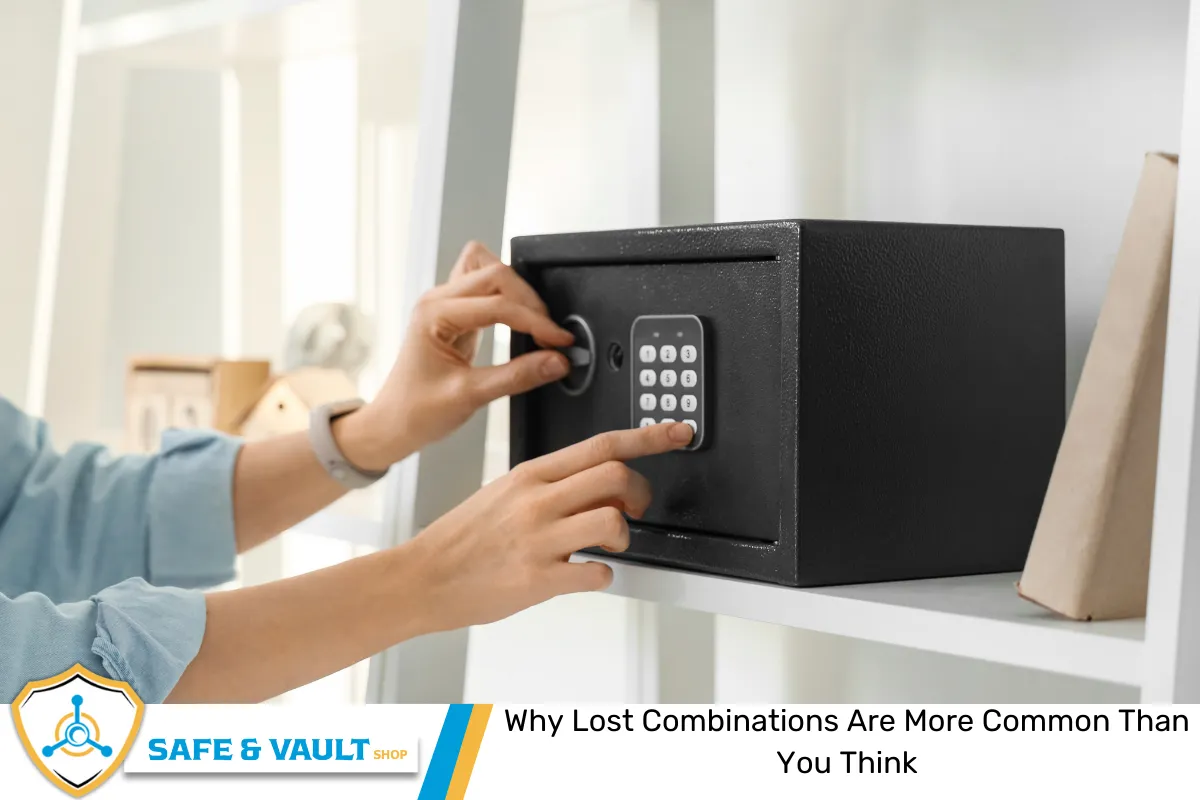
Many safe lockouts occur due to:
These scenarios rarely involve override codes and almost always require professional assistance.
In Ontario, locksmith services are expected to follow consumer protection laws and industry standards. Safe opening must be performed with proper authorization, and professionals are expected to take reasonable steps to verify ownership.
Unauthorized access or reckless damage can expose individuals to civil or criminal liability. This is another reason why hiring a qualified safe opening locksmith is the safest option.
Read Safe Opening Locksmith in North York, ON: Why is My Safe Beeping and Not Opening?
Preventive measures include:
These steps reduce reliance on emergency access methods.
The question “Do safes have an override code?” does not have a simple yes or no answer. It depends on the safe’s design, purpose, and security level. What remains consistent is that true security safes are not meant to be bypassed easily.
When access is lost, the safest and most reliable solution is professional intervention rather than searching for shortcuts that may not exist.
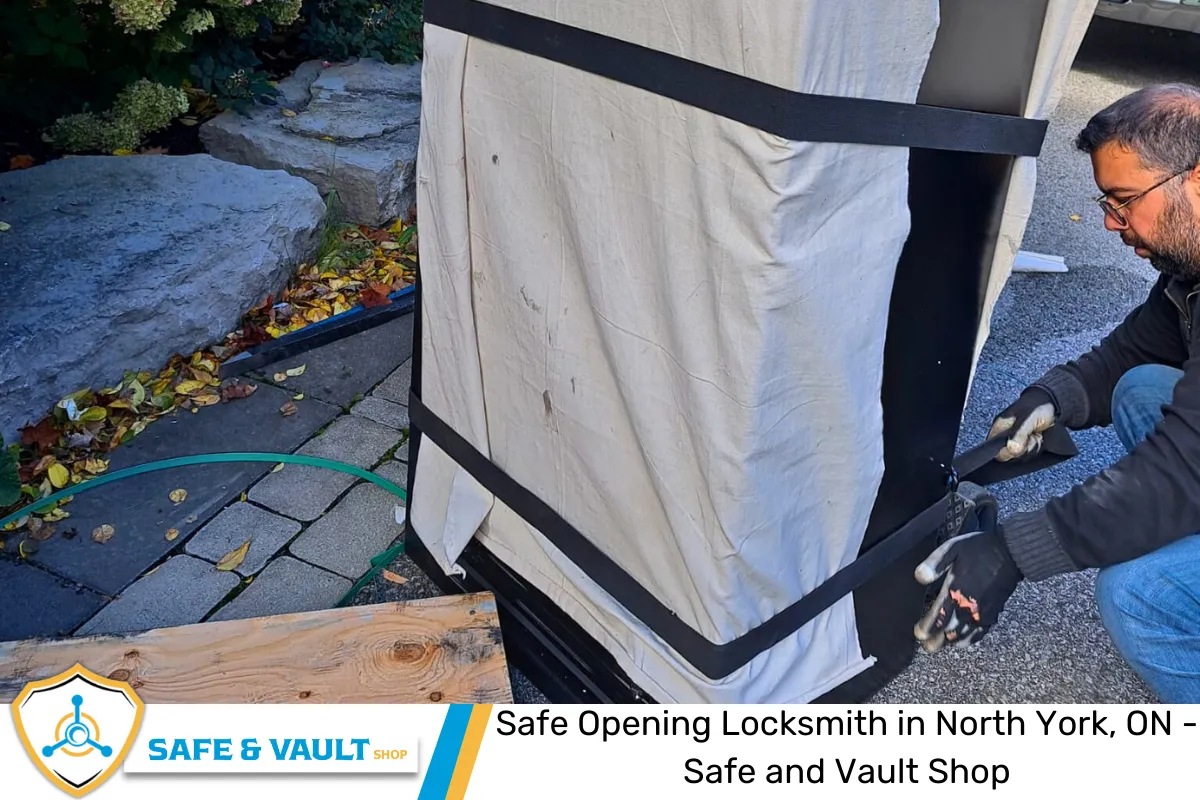
We understand how stressful it is to be locked out of a safe, especially when critical items are inside. At Safe and Vault Shop, we specialize in safe opening locksmith services for residential and commercial clients. Our team uses proven, lawful methods to regain access while minimizing damage whenever possible. We work with a wide range of safe types and security levels, always prioritizing your property and compliance with North York, Ontario regulations. If you are dealing with a forgotten combination, malfunctioning lock, or suspected override issue, we are here to help. Call us at (647) 762-7387 or fill out our contact form to speak with a knowledgeable safe opening locksmith you can trust.
In some limited cases, manufacturers may assist with access after verifying ownership and serial numbers. However, they rarely provide direct override codes. Instead, they may guide you through a reset process or refer you to an authorized locksmith. This protects against unauthorized access and ensures compliance with security standards. Many manufacturers require the safe to be opened by a professional before any reset can occur.
No, drilling is not always required. Many safes can be opened using non-destructive techniques such as manipulation or electronic diagnostics. Drilling is typically a last resort when internal components have failed or when the lock is designed to resist manipulation. A professional assessment determines the safest method.
Override keys are not inherently less secure, but they introduce physical risks. If a key is lost or stolen, it can compromise security. For this reason, override keys are often hidden, restricted, or eliminated in higher-security safes. Proper storage and access control are essential when a key-based override exists.
In most cases, yes. After a safe is opened, combinations, codes, or biometric data can usually be reset. This is often recommended to restore full security, especially if access was regained due to a malfunction or unknown combination. A locksmith can also inspect the lock to ensure it remains reliable.
Insurance coverage varies by policy. Some homeowner or commercial policies may cover locksmith services if access is lost due to theft, fire, or mechanical failure. It is best to review your policy or speak with your insurer directly. Documentation from a professional locksmith can help support a claim if coverage applies.
Disclaimer: This article is for general informational purposes only and does not constitute legal or security advice. Safe access procedures vary by model, manufacturer, and situation. Always consult a qualified professional and comply with applicable Ontario laws when seeking safe opening services.
Read Safe Repair in North York, ON: Why Does My Safe Door Make Noise When Opening?
When Your Safe Door Stops Closing Properly Safe Repair in
When Your Safe Refuses to Open: Why It Happens and
When a Simple Beep Turns Into a Lockout Emergency North
Why a Damaged Safe Dial Is More Than Just an
North York Safe Opening Locksmith services are often the first

North York Safe Opening Locksmith services often begin with an

Safe Locks are designed to protect valuables, sensitive documents, firearms,

Safe Locks can fail without warning, leaving you locked out
When a Secure Investment Suddenly Won’t Open Safe Repair in

Safe Repair in North York, ON is often requested when