When a Quiet Safe Suddenly Starts Talking Back
Safe Repair in North York, ON is often requested after homeowners and business owners notice an unfamiliar sound coming from their safe door. The problem usually starts small—a faint creak, a grinding noise, or a metallic click that wasn’t there before. Over time, that sound becomes impossible to ignore, raising concerns about damage, security, and reliability. A noisy safe door isn’t just an annoyance; it can be an early warning sign of internal wear, misalignment, or mechanical failure. Ignoring it may lead to lockouts, compromised protection, or costly repairs. The good news is that most noise-related issues can be diagnosed and resolved with professional safe repair before they escalate into serious problems.
Why Safe Doors Are Designed to Open Quietly
A quality safe is engineered for smooth, controlled movement. When manufactured and installed correctly, the door should open with minimal resistance and almost no noise. This quiet operation isn’t accidental—it’s a result of precise tolerances, hardened steel components, balanced hinges, and well-lubricated moving parts.
Safe doors are heavy, often weighing hundreds of pounds. To manage that weight safely, manufacturers rely on reinforced hinge systems, internal bearings, and alignment guides. When any of these elements are compromised, sound becomes the first noticeable symptom. In many cases, the noise is your safe’s way of signaling that it needs attention from a trained safe repair specialist.
Common Noises and What They Usually Mean
Not all noises indicate the same issue. Identifying the type of sound can help narrow down the cause and determine how urgent the situation may be.
Grinding or Scraping Sounds
Grinding noises often point to friction between metal components. This may be caused by:
- Worn or dry hinges
- Door misalignment
- Debris buildup inside hinge channels
- Frame distortion due to age or impact
If left unresolved, grinding can permanently damage the hinge assembly or door frame.
Creaking or Squeaking
Creaking usually indicates insufficient lubrication or aging materials. Over time, factory-applied lubricants dry out, especially in environments with temperature fluctuations. While creaking may seem minor, it can worsen as friction increases.
Clicking or Popping
Clicking sounds may come from the locking bolt mechanism engaging unevenly. This can be a sign of:
- Bolt work misalignment
- Internal cam wear
- Improper door closing technique
- Settling of the safe’s foundation
These sounds should never be ignored, as they often affect the locking system directly.
Rattling or Loose Sounds
Rattling typically suggests that internal fasteners or components have loosened. This is more common in older safes or those frequently opened and closed in commercial settings.
How Environmental Factors Affect Safe Door Noise
Temperature Changes in North York
Seasonal temperature swings in North York can cause metal expansion and contraction. Steel components expand in heat and contract in cold, which can subtly alter alignment. Over time, these changes may lead to rubbing, binding, or noise during operation.
Humidity and Moisture Exposure
Humidity can lead to corrosion, especially in basements or older buildings. Rust buildup on hinges, bolts, or bearings increases friction and creates noise. Moisture can also degrade lubricants, accelerating wear.
Flooring and Structural Shifts
Safes installed on uneven or shifting surfaces may gradually tilt. Even a slight change in level can stress hinges and cause the door to scrape or bind against the frame. This is a common reason people seek safe repair after a move or renovation.
The Role of Hinges in Safe Door Performance
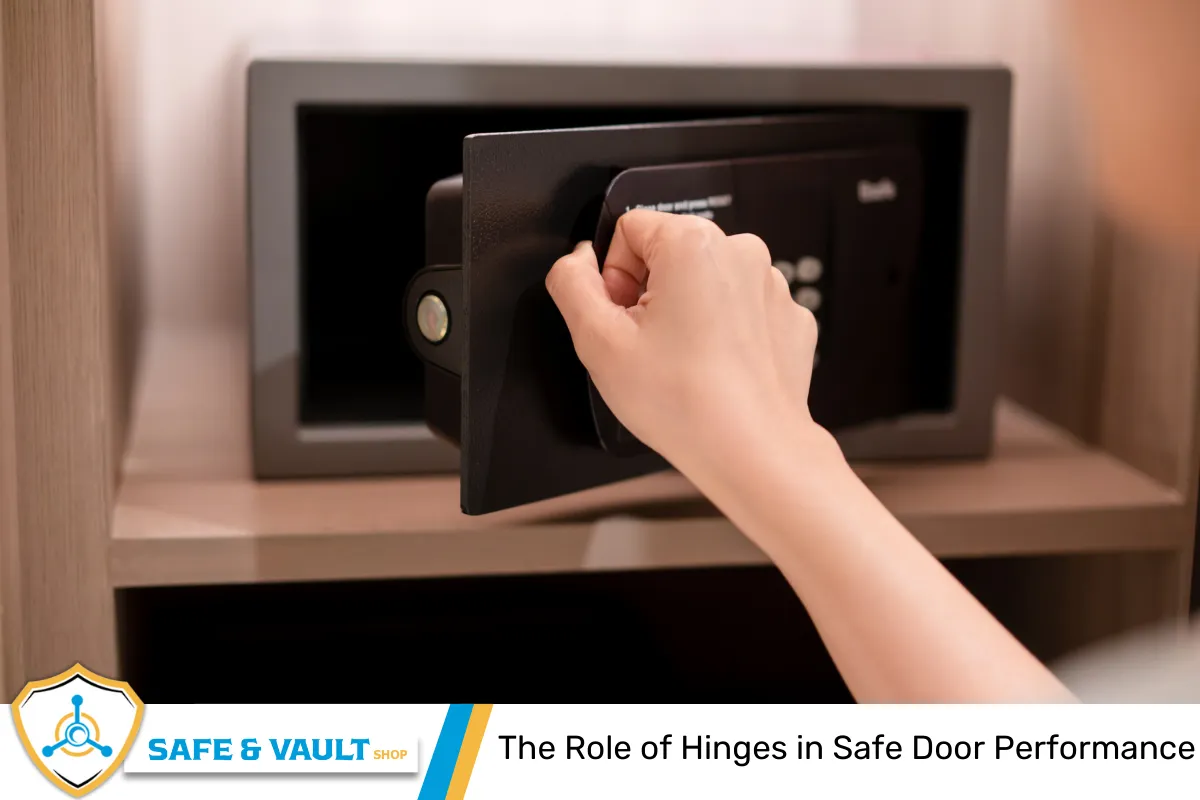
Hinges are among the most critical components of any safe. They support the full weight of the door while allowing precise movement. There are two main hinge designs:
External Hinges
External hinges are visible and allow the door to open wider. While durable, they require regular inspection and maintenance. Noise from external hinges often indicates lubrication failure or bearing wear.
Internal Hinges
Internal hinges are concealed within the door and frame, offering added security. When internal hinges make noise, the issue is often more complex and requires professional safe repair to access and service safely.
In both cases, attempting DIY fixes without proper tools can lead to misalignment or voided warranties.
Read Safe Repair in North York, ON: Do Digital Safes Require Different Repairs Than Mechanical Safes?
Locking Mechanisms and Their Impact on Noise
The locking system inside a safe includes bolts, cams, levers, and sometimes electronic components. When these parts fall out of sync, noise is often the first clue.
Mechanical Dial Locks
Mechanical locks rely on precise tolerances. Clicking or resistance during door movement may signal internal wear or contamination. Dust, metal shavings, or degraded grease can interfere with smooth operation.
Electronic and Digital Locks
Electronic locks introduce additional components such as solenoids and relockers. While the noise may not come directly from the lock, improper bolt engagement linked to electronic timing issues can cause audible feedback.
Professional safe repair ensures these systems are recalibrated correctly without compromising security.
Why DIY Fixes Often Make the Problem Worse
It’s tempting to apply household oil or adjust visible screws when a safe door starts making noise. Unfortunately, this approach often causes more harm than good.
Common DIY mistakes include:
- Using incorrect lubricants that attract dust
- Over-tightening hinge bolts
- Misaligning the door during adjustment
- Damaging fire-resistant seals
- Interfering with relocking devices
Safes are precision security devices. Even small errors can lead to lockouts or reduced protection. Certified safe repair technicians use manufacturer-approved methods and materials to address noise safely.
When Noise Signals a Serious Security Risk
Some sounds indicate more than routine wear. Grinding combined with resistance, sudden changes in door movement, or loud popping noises may suggest structural stress or internal failure. In extreme cases, continued use could lead to:
- Bolt seizure
- Door sagging
- Lock failure
- Permanent frame damage
At this stage, safe repair becomes urgent rather than preventative. Addressing the issue early often saves time and expense.
Commercial Safes vs. Residential Safes: Key Differences
Commercial Safes
Businesses often use safes multiple times per day. High usage accelerates wear, especially in bolt work and hinges. Noise in commercial safes is frequently linked to usage cycles exceeding original design expectations.
Residential Safes
Home safes may go weeks without opening. When noise appears, it’s often due to environmental factors, age, or infrequent maintenance. Residential owners sometimes overlook early warning signs because the safe still functions.
Both scenarios benefit from routine inspection by safe repair professionals familiar with different safe classes and ratings.
Preventive Maintenance to Keep Your Safe Quiet
Regular maintenance is the best way to avoid noise-related issues. A proactive approach extends the life of your safe and preserves its security rating.
Recommended maintenance practices include:
- Periodic professional inspections
- Proper lubrication using safe-specific products
- Checking door alignment annually
- Monitoring environmental conditions
- Addressing minor noises immediately
Safe repair specialists can create maintenance schedules tailored to usage and location.
How Professional Safe Repair Diagnoses Door Noise
Experienced technicians follow a systematic process to identify the root cause of noise.
Visual and Structural Inspection
This includes examining hinges, frame alignment, and mounting surfaces for visible issues.
Internal Mechanism Evaluation
Technicians assess bolt movement, cam timing, and lock engagement to detect internal resistance or misalignment.
Precision Adjustment and Testing
After repairs, the door is tested repeatedly to ensure smooth, quiet operation without compromising security.
This level of detail is impossible to achieve through guesswork or trial-and-error methods.
Read Safe Opening Locksmith in North York, ON: Do Safes Have an Override Code?
Long-Term Risks of Ignoring a Noisy Safe Door
Ignoring noise doesn’t make it go away. Over time, minor friction can lead to metal fatigue, component failure, and expensive repairs. In worst-case scenarios, owners face complete lockouts requiring drilling or destructive entry, followed by extensive safe repair or replacement.
Early intervention preserves both function and value, especially for high-security or fire-rated safes.
A Practical Path to Reliable, Quiet Operation
Safe doors are designed to last decades, but only when maintained properly. Noise is not normal, and it’s rarely harmless. Treating it as an early warning allows you to protect what matters most without disruption.
Professional safe repair ensures that your safe continues to operate as quietly and securely as the day it was installed.
Safe Repair in North York, ON – Safe and Vault Shop
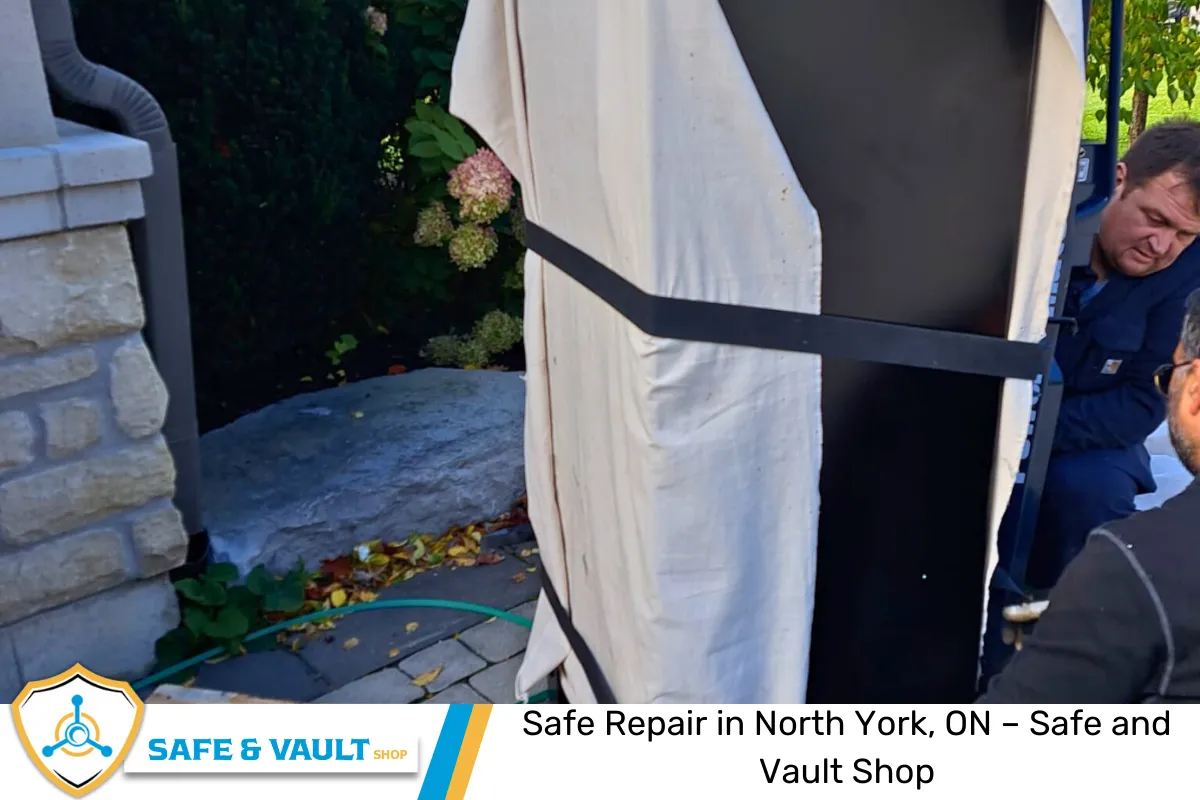
When it comes to safe repair, we know how unsettling it is to hear unexpected noise from your safe door. At Safe and Vault Shop, we specialize in diagnosing and resolving these issues with precision and care. We handle everything from hinge wear and alignment problems to internal locking mechanism adjustments. Our team works with residential and commercial safes, using proven methods that protect both security and longevity. If your safe door is grinding, creaking, or clicking, we’re ready to help. Call us at (647) 762-7387 or fill out our contact form today. We proudly serve North York, Ontario with dependable safe repair you can trust.
Frequently Asked Questions
Why does my safe door only make noise at certain times of the year?
Seasonal temperature and humidity changes can affect metal components inside your safe. Expansion and contraction may cause temporary misalignment or increased friction, leading to noise. While this can seem harmless, repeated seasonal stress may cause long-term wear. A professional inspection can determine whether adjustments or maintenance are needed to prevent permanent damage.
Can a noisy safe door affect the fire rating of my safe?
Yes, it can. Misalignment or hinge wear may compromise the integrity of the door seal, which is critical for fire resistance. If the door doesn’t close evenly, heat and smoke protection may be reduced. Safe repair professionals ensure the door aligns correctly without damaging fire-resistant materials.
Is it safe to keep using my safe if it still opens despite the noise?
Using a noisy safe may be possible in the short term, but it carries risks. Continued operation can worsen internal wear, leading to sudden failure or lockout. Addressing the noise early through safe repair reduces the chance of emergency access procedures later.
How often should a safe be professionally serviced?
For residential safes, inspection every two to three years is typically sufficient. Commercial safes or high-use units may require annual service. Regular maintenance helps identify noise-related issues early and keeps the safe functioning smoothly.
Does moving a safe increase the risk of door noise?
Yes. Even a carefully relocated safe can experience subtle alignment changes. Floor leveling, transport vibration, and repositioning can stress hinges and frames. After a move, it’s wise to have a safe repair specialist inspect and adjust the door to prevent future problems.
Disclaimer: This article is for general informational purposes only and does not replace professional inspection or repair. Safe mechanisms vary by model and manufacturer. Always consult a qualified safe repair professional for diagnosis and service to ensure compliance with applicable laws and safety standards in North York, Ontario.
Read North Toronto Safe Repair: Is It Better to Repair or Replace a Damaged Safe?