Safe Repair in North York, ON: How Do You Fix a Misaligned Safe Door?
When Your Safe Door Stops Closing Properly Safe Repair in


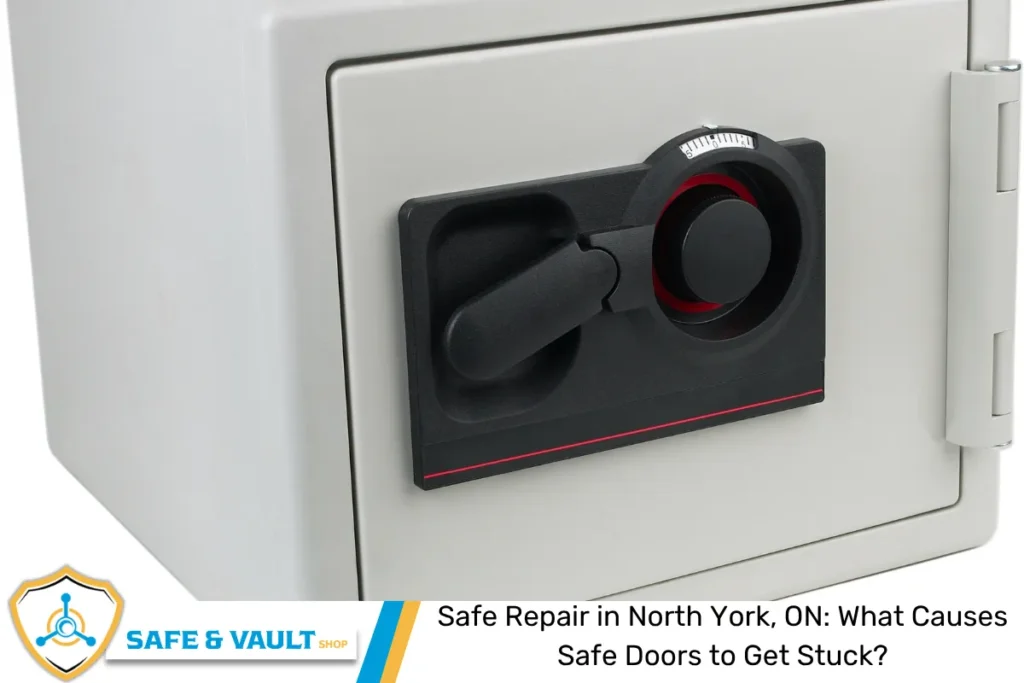
Safe Repair in North York, ON is often needed at the most inconvenient times—when you urgently need access to important documents, valuables, or cash. A stuck safe door can quickly turn from a minor annoyance into a stressful situation. The problem worsens when repeated attempts risk damaging the locking mechanism or triggering a lockout. Many property owners don’t realize that safes require maintenance, and even small issues can lead to complete failure. The good news is that most stuck safes have identifiable causes and practical solutions. With the right approach and a skilled safe locksmith, you can restore access without compromising security.
Safes are engineered with precision components designed to resist tampering, fire, and forced entry. However, that same complexity makes them vulnerable to specific mechanical and environmental issues over time.
Most modern safes rely on one of the following systems:
Each of these systems controls internal bolts that extend into the safe body. When you input the correct combination or code, these bolts retract, allowing the door to open.
The more components involved, the more potential failure points exist. A safe and vault locksmith often encounters issues such as:
Even high-end safes can develop problems if not maintained properly.

Understanding the root cause is the first step toward safe unlocking without damage.
Over time, the internal components of safes degrade due to regular use.
This is especially common in older safes that haven’t undergone routine inspection by locksmiths.
It might seem simple, but incorrect use is one of the leading causes of safe lockouts.
Examples include:
These mistakes can cause the locking mechanism to jam or temporarily disable.
Electronic safes depend on battery power to function. When batteries die:
Many users only realize this issue when they’re locked out.
The climate in North York, Ontario can play a significant role in safe performance.
Humidity can cause:
Cold winters and warm summers may lead to:
A poorly installed safe can lead to long-term issues.
Common installation mistakes:
A safe and vault installed improperly may function initially but fail over time.
Recognizing early warning signs can help prevent complete lockouts.
If you notice any of these, it’s best to contact a safe opening locksmith before the issue escalates.

When a safe won’t open, many people attempt to fix it themselves. This often leads to more damage.
Modern safes are designed with anti-tampering features. A failed DIY attempt can activate internal relockers, making professional safe cracking more complex.
Read Safe Repair in North York, ON: How Do You Fix a Misaligned Safe Door?
A trained safecracker uses specialized tools and techniques to open safes without causing unnecessary damage.
Whenever possible, professionals use methods that preserve the safe’s integrity:
If non-destructive methods fail, controlled drilling may be used:
This method requires expertise and should only be handled by experienced safe locksmiths.
Regular maintenance can significantly extend the life of your safe.
You should contact a safe and vault locksmith if:
Preventive care is always more cost-effective than emergency safe repair.
In Ontario, locksmith services are subject to consumer protection standards. While locksmiths are not provincially licensed in the same way as some trades, reputable professionals follow strict ethical practices.
Hiring a trusted safe locksmith ensures compliance with local expectations and protects your property.

Not all locksmiths specialize in safes. Selecting the right professional is crucial.
A qualified safe opening locksmith can save time, money, and frustration.
Delaying repairs can lead to more serious consequences.
Addressing problems early ensures your safe continues to protect what matters most.
A stuck safe door is rarely random—it’s usually the result of wear, environment, or improper use. By understanding the causes and recognizing early signs, you can avoid costly repairs and stressful lockouts. Whether it’s routine maintenance or emergency safe unlocking, working with experienced professionals ensures your safe remains secure and accessible. Investing in proper care today helps preserve both your valuables and your peace of mind.

At Safe and Vault Shop, we provide reliable safe repair services throughout North York, Ontario and surrounding areas. Whether your safe is jammed, unresponsive, or completely locked out, our team is ready to help. We specialize in safe unlocking, safe opening locksmith services, and advanced safe and vault solutions for residential and commercial clients.
We understand how urgent these situations can be, which is why we respond quickly and work efficiently to restore access without unnecessary damage. Our experienced safe locksmiths handle everything from mechanical failures to electronic lock issues.
Call us today at (647) 762-7387 or fill out our contact form. Let us secure your peace of mind with expert safe repair you can trust.
If your safe becomes stuck, avoid forcing the handle or repeatedly entering codes. This can worsen the issue or activate security features. Start by checking simple factors like battery power or correct code entry. If the problem persists, contact a professional safe locksmith. Attempting to open it yourself may cause internal damage. A trained expert can diagnose the issue safely and perform proper safe unlocking without compromising the integrity of the safe.
The time required depends on the complexity of the issue. Minor problems like battery replacement or alignment adjustments may take under an hour. More complex cases involving internal damage or safe cracking techniques can take several hours. In rare situations, especially with high-security safes, it may take longer. A skilled safe and vault locksmith will always aim for efficient service while ensuring the safe remains functional and secure after repair.
Yes, many safes can be opened using non-destructive methods. Techniques like lock manipulation or electronic diagnostics allow professionals to unlock safes without drilling. However, if the internal mechanism is severely damaged or tampered with, controlled drilling may be necessary. A qualified safe opening locksmith will always attempt non-invasive methods first before considering more advanced procedures.
Older safes are more prone to issues due to wear and outdated components. Mechanical parts can degrade, and lubrication may dry out over time. However, newer safes are not immune—electronic systems can fail due to battery issues or circuitry problems. Regular maintenance is key regardless of the safe’s age. A professional inspection can help identify risks before they lead to lockouts.
Moving a safe without proper equipment or expertise can lead to damage or misalignment. Safes are extremely heavy and contain sensitive internal mechanisms. Improper handling can cause the door to jam or affect the locking system. It’s best to hire professionals who understand safe and vault transportation. They ensure proper positioning and functionality after relocation, reducing the risk of future issues.
Disclaimer: This article is for informational purposes only and does not replace professional locksmith advice. Safe repair and opening should be handled by qualified technicians to avoid damage, injury, or legal concerns. Always verify ownership and consult a professional for secure solutions.
Read What if the Digital Keypad Fails—can a North York Safe Opening Locksmith Fix It?
When Your Safe Door Stops Closing Properly Safe Repair in
When Your Safe Refuses to Open: Why It Happens and
When a Simple Beep Turns Into a Lockout Emergency North
Why a Damaged Safe Dial Is More Than Just an
North York Safe Opening Locksmith services are often the first

North York Safe Opening Locksmith services often begin with an

Safe Locks are designed to protect valuables, sensitive documents, firearms,

Safe Locks can fail without warning, leaving you locked out
When a Secure Investment Suddenly Won’t Open Safe Repair in

Safe Repair in North York, ON is often requested when