Security First: Does a Safe Opening Locksmith in North York Test Performance After Repair?
Why Testing After Safe Repair Is Non‑Negotiable When you hire


A safe opening locksmith can often restore function to safes that owners assume are beyond repair. Many North York homeowners and businesses face a frustrating problem: aging safes with stiff dials, failing keypads, or forgotten combinations seem impossible to access. The anxiety builds when important documents, heirlooms, or cash remain trapped behind a locked door, with potential losses exceeding thousands of dollars.
Safe opening is a delicate task that should only be performed by certified professionals to avoid damage to the safe and its contents. The good news is that an experienced safe and vault locksmith, sometimes called a safecracker, can diagnose issues, regain access, and extend your safe’s life through careful safe repair or upgrades. This article covers how older locks work, when repair makes sense, opening techniques, costs, legal considerations in North York, and maintenance tips.
Understanding the mechanics of your safe helps you communicate effectively with a locksmith and make informed decisions about repair or replacement.
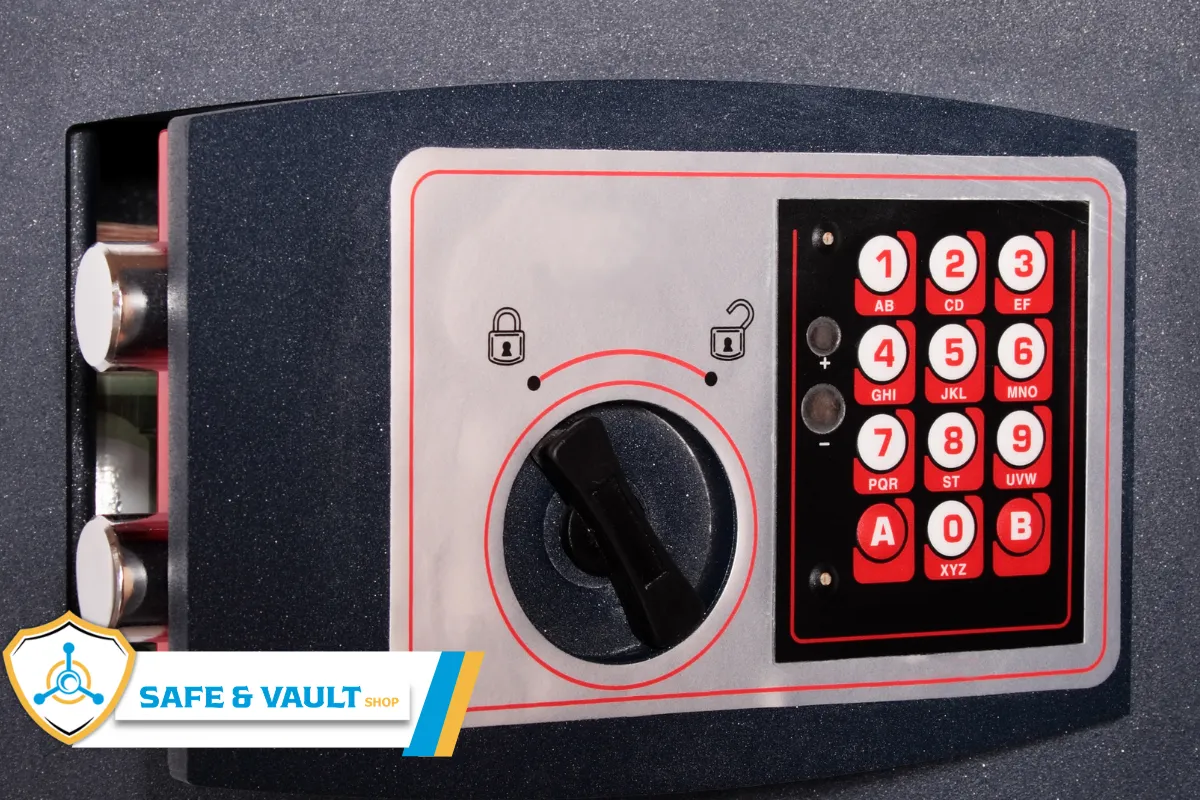
Older safes in North York typically feature one of three lock types: mechanical combination dials (common from the 1960s through 1990s), key-operated safe locks using pin tumbler or lever mechanisms, and early electronic keypads from the 1980s-2000s with solenoid-driven bolts.
Core components found in most legacy safes include:
A mechanical dial safe operates through a precise dialing sequence. The user turns left several times to clear, right to the first number aligning the drive cam, left past the first to the second number, then right to the third. When wheel gates align under the fence, leverage retracts the bolt.
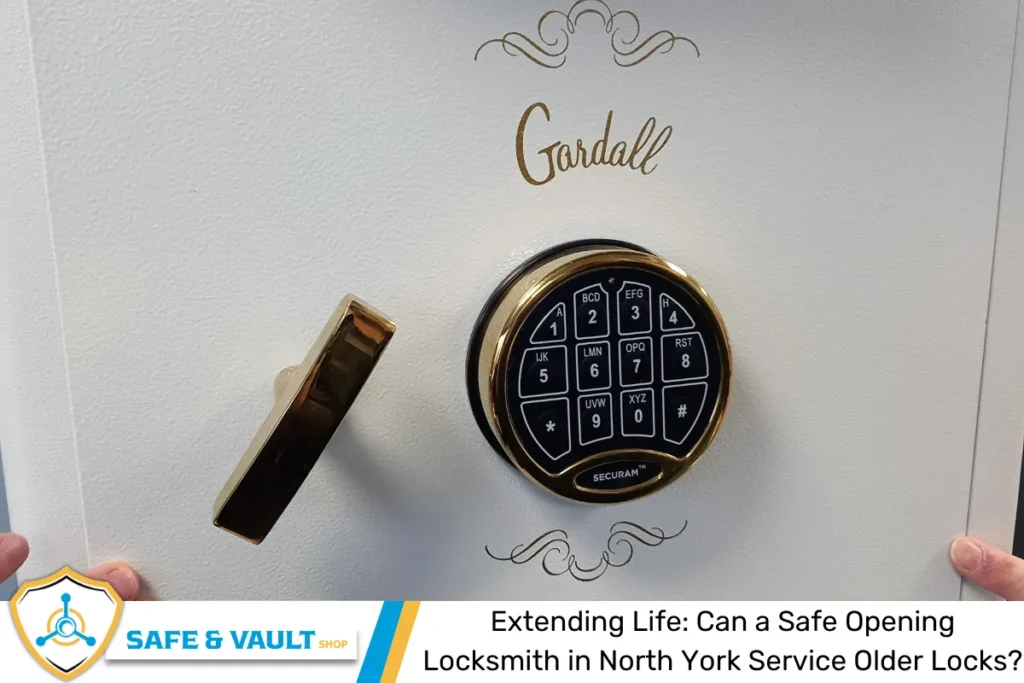
Many safes that appear obsolete remain structurally sound, with only the lock mechanism needing attention. Brands like Sentry, AMSEC, and Gardall from the late 20th century are still commonly serviced by locksmiths across the Greater Toronto Area.
Yes, in most cases. Technician reports indicate that approximately 90% of safes aged 20-50 years can be successfully serviced without full replacement.
Typical scenarios include:
In North York, licensed locksmiths who focus on safes can often:
The cost of unlocking a safe can vary depending on the size and type of safe, as well as the level of difficulty involved in opening it, typically ranging from $50 to $500. Keeping an older safe in service often costs 40-60% less than purchasing a new safe of similar burglary or fire rating, providing peace of mind at affordable rates.
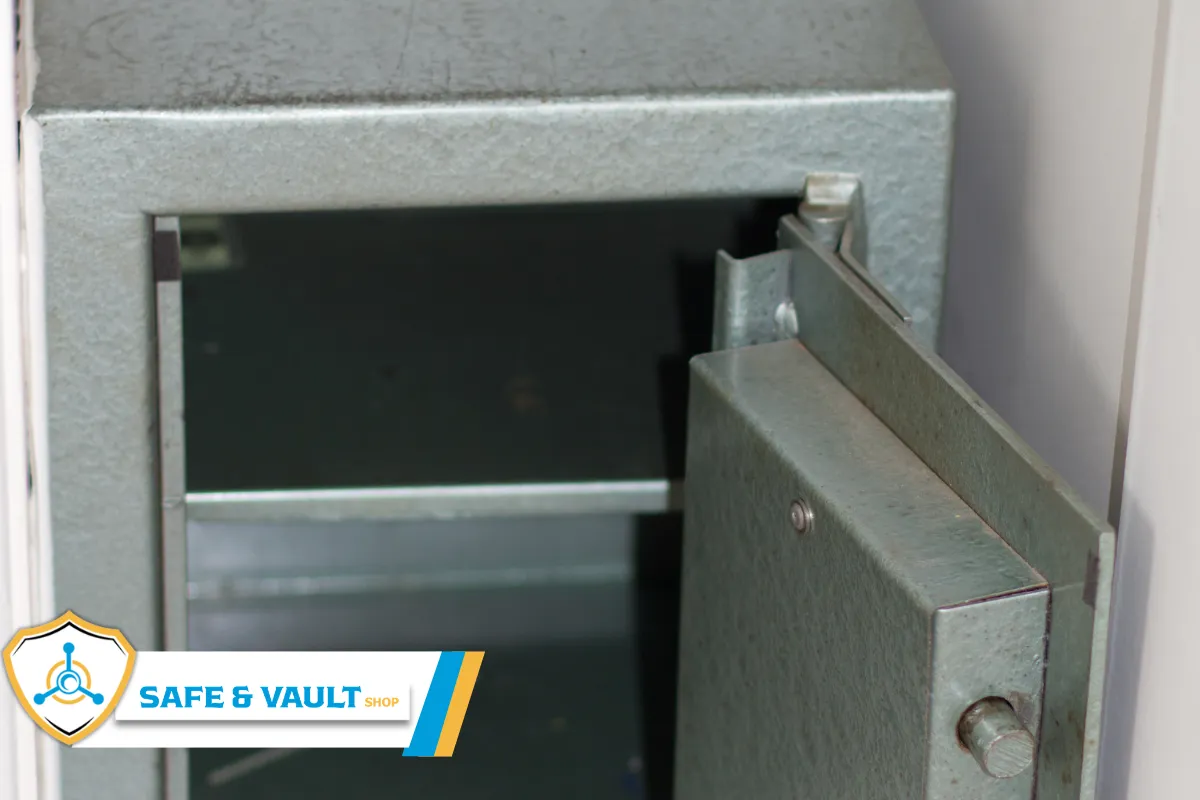
Limitations exist when heavy corrosion, severe fire damage, warped doors, or missing critical parts make restoration uneconomical. A professional safecracker will assess whether safe repair or full lock replacement offers the safest long-term option.
Recognizing early warning signs prevents simple issues from becoming complete lockouts requiring emergency locksmith services.
Mechanical problems:
Electronic issues:
Environmental factors specific to North York:
User-related causes:
Regular inspections for wear and tear or potential rusted components on older models are recommended at least annually. Neglecting safe maintenance can lead to mechanical failures, making it difficult or impossible to access the safe when needed.
A safe technician will present multiple options with cost and security implications so owners can choose confidently.
Simple repair is ideal when:
Restoration involves:
Lock upgrade is recommended when:
Full replacement makes sense when:
It’s recommended to service or replace locks every three to four years to maintain security.
Read Security First: Does a Safe Opening Locksmith in North York Test Performance After Repair?
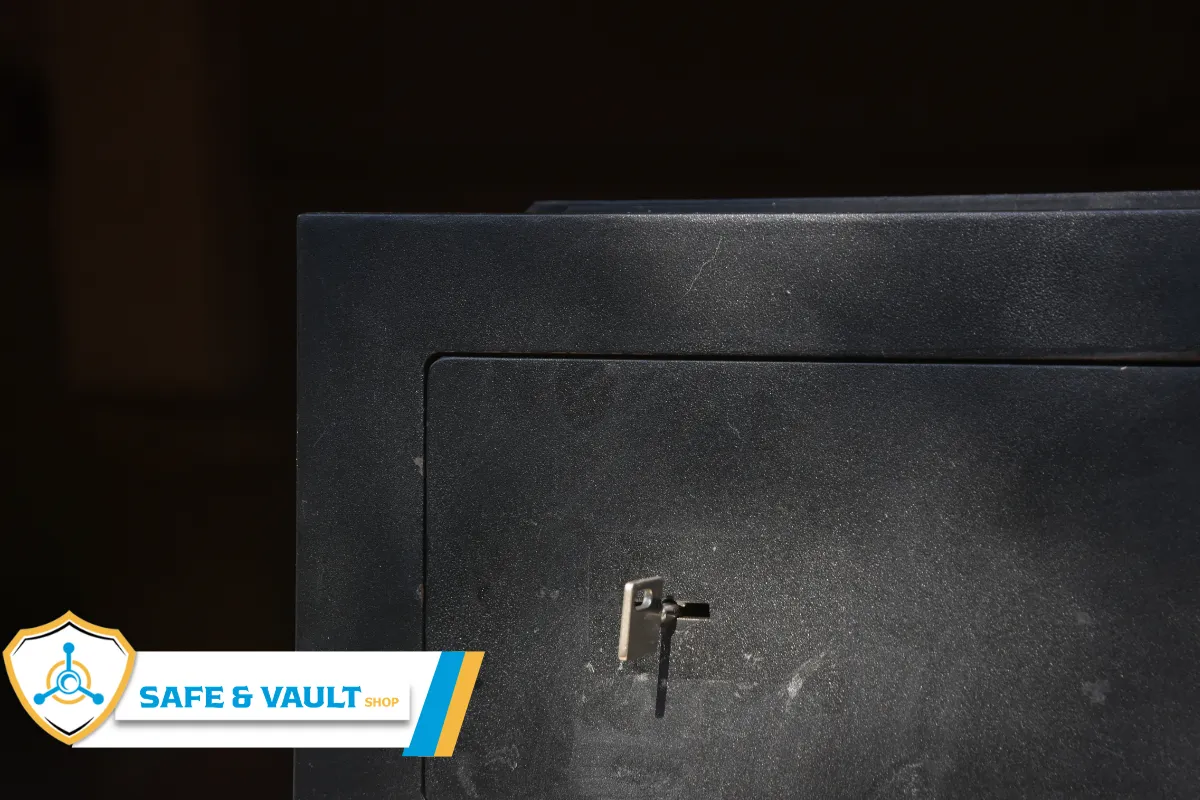
Understanding the process helps residential and commercial clients prepare and know what to expect from a professional locksmith.
Initial consultation:
On-site assessment:
Opening phase:
Service and repair:
Handover:
The term safecracker describes a trained, lawful safe technician who uses specialized tools and techniques to regain access quickly without destroying the safe.
Safe manipulation:
Electronic diagnostics:
Controlled drilling:
Scoping:
Advanced methods:
Technicians often undergo rigorous field training, shadowing senior experts to ensure safety with complex mechanisms.
Ontario regulations ensure that safe opening services operate within a clear legal and safety framework.
Ownership verification:
Consumer protection:
Safety protocols:
Documentation:
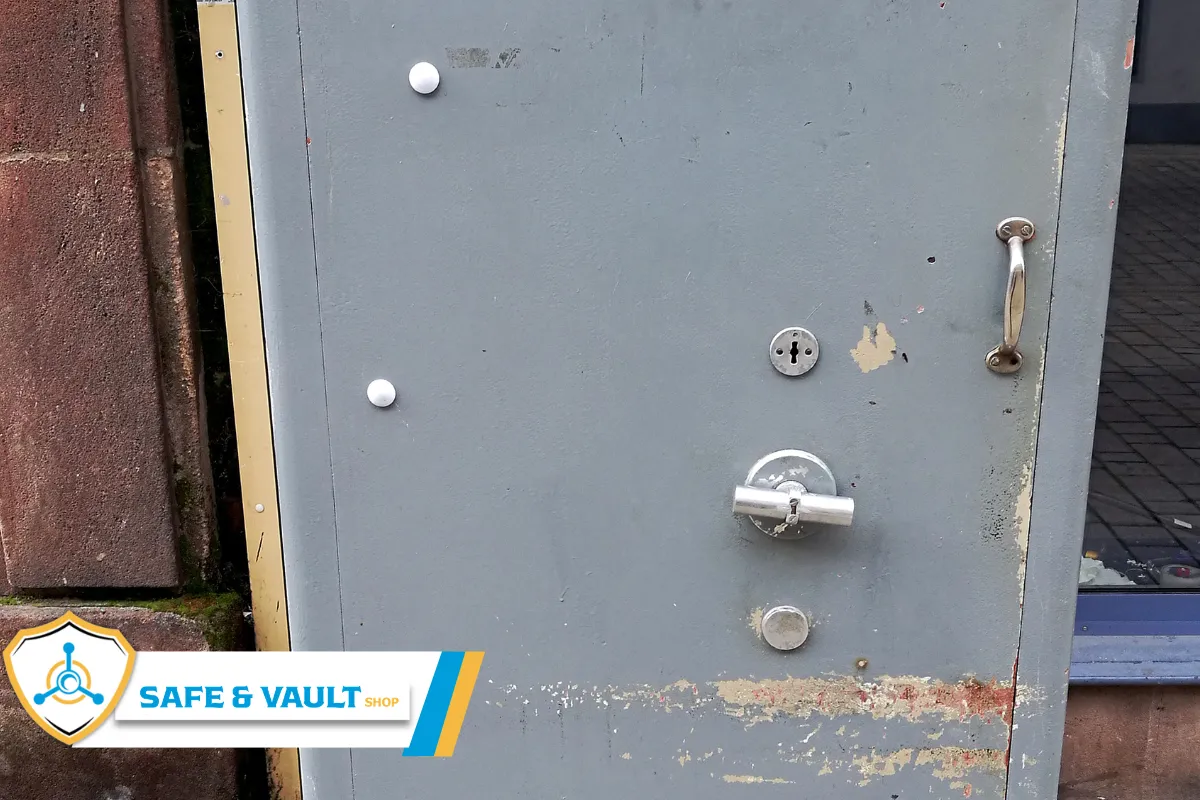
Regular maintenance of safes is essential to extend their lifespan and ensure they function properly when needed.
Professional servicing:
Owner maintenance tasks:
Optimal environment:
Security practices:
Routine checks on safe locks, hinges, and bolts can help prevent unexpected issues and maintain smooth operation.
Many clients in North York keep older safes for reasons beyond pure function.
Legacy and heirloom safes:
Business considerations:
Risk assessment:
Total cost of ownership:
Many older safes and vault locks in North York can be reliably opened, repaired, or upgraded by a qualified safe locksmith. Taking proactive action now, scheduling an assessment and establishing a maintenance routine, prevents costly emergency lockouts and preserves your investment.
Whether you are protecting family heirlooms in an antique safe or securing business assets in commercial safes, combining a trusted older safe body with modern locking technology delivers excellent results. View professional safe opening, lock repair, and maintenance as part of your broader security plan rather than just an emergency expense.
With the right expertise from an experienced opening locksmith, your older safe can continue protecting valuables for many more years to come.
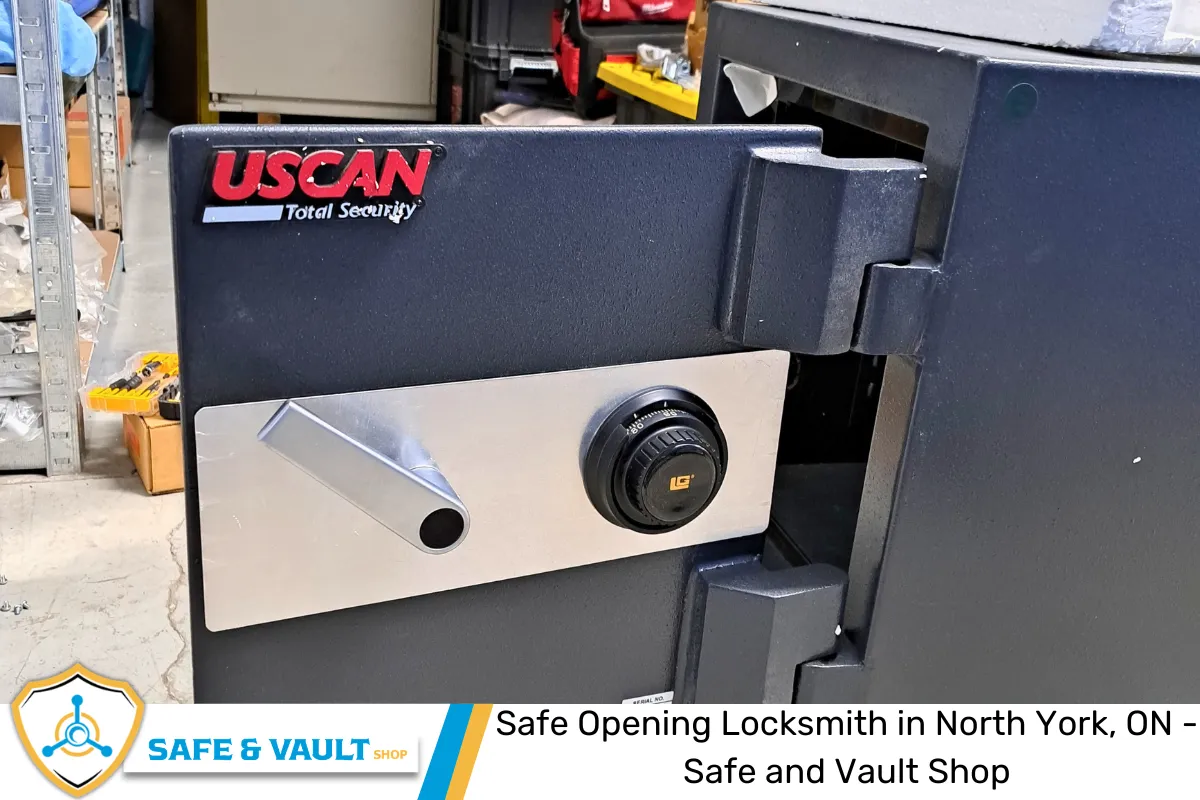
We are Safe and Vault Shop, your trusted safe opening locksmith serving North York, Ontario and surrounding areas throughout the Greater Toronto Area. Our experienced team specializes in professional safe opening services, safe unlocking services, and comprehensive safe repair for both older and modern units.
Whether you are dealing with a locked safe due to forgotten combinations, jammed keypads, or mechanical failures, we provide reliable service using non destructive methods whenever possible. Our vault shop handles everything from emergency safe locksmith services to lock installation services, vault opening services, and ongoing maintenance services.
We understand the value of your safe, both financial and sentimental. Our safe technicians work carefully to preserve your safe’s integrity while restoring full function. We offer quality service at affordable rates with prompt response times.
Contact us today at (647) 762-7387 or fill out our contact form for a free quote. We serve residential and commercial clients throughout North York and the vibrant district of the GTA, providing professional locksmith services you can trust.
Clear a three-foot radius around your safe to allow tools and the door to swing fully open. Gather any available information including approximate age, brand, model, and any previous combinations you may have tried. Have valid identification ready, and for businesses, prepare an authorization letter confirming you have the right to access the safe. Taking photos of the safe in its current condition helps with insurance records if needed. If your safe is bolted down or built into cabinetry, inform the locksmith company in advance so they bring appropriate equipment. This preparation helps ensure your locksmith service proceeds efficiently.
Coverage depends on your individual policy and your insurer’s security requirements. Before major changes to business safes holding cash or jewelry, contact your broker to confirm what documentation they need. Most insurers request details on fire ratings, burglary ratings, and any lock upgrades performed. Documented work from a professional safe locksmith, including detailed invoices, demonstrates that your safe remains fit for its intended purpose. Some policies require specific UL certifications or additional security measures regardless of whether the safe is new or older, so verifying requirements beforehand prevents coverage disputes during claims.
Timing varies significantly based on the lock type, condition, and specific problem. Common reasons for needing safe opening services include forgotten combinations, dead batteries in electronic models, and mechanical faults in dial-operated locks. Simple battery changes or minor keypad fixes typically take under an hour. Combination manipulation on a healthy mechanical lock may require one to several hours depending on complexity. Complex drill-and-repair work on older high-security safes can extend to several hours or longer. Access constraints like tight closets or busy commercial floors also affect duration. Your North York locksmith will provide time estimates after on-site assessment.
Many older home and office safes were designed primarily for paper documents, with fire insulation rated for specific time and temperature ranges, typically one hour at 1700°F. Digital media including USB drives and hard drives are more sensitive to heat and may require specialized data safes rated for two hours at 150°F for adequate protection. A safe and vault locksmith can open and repair existing fire safes, assess whether current ratings meet your needs, and recommend upgrades if digital storage has become a priority. For those storing important documents alongside digital backups, a professional assessment helps determine whether your current safe provides sufficient protection.
Stop any further force or DIY attempts immediately to prevent worsening internal damage or triggering relockers. For common locksmith services, the average cost for lockout service typically ranges from $70 to $150, while attempting repairs yourself often increases complexity. For rekeying locks, costs typically run between $80 and $150 per lock when performed professionally. Locksmiths frequently encounter cases where prying, random drilling, or hitting handles has bent components or jammed bolt work. While this increases complexity and cost, a professional can often still recover the safe and contents using specialized tools. Be completely honest about what you attempted so the safe technician can plan appropriately and bring suitable repair materials to resolve emergency lockouts effectively.
Disclaimer: This article provides general information about safes and locksmith services in North York, Ontario and does not constitute legal or insurance advice. Consult qualified professionals for specific situations, regulatory interpretation, or policy requirements related to your safe and vault needs.
Read Cracking the Code: How a Safe Opening Locksmith in North York Handles High-Security Models
Why Testing After Safe Repair Is Non‑Negotiable When you hire
Safe Opening Locksmith Services and the Question of Older Locks
From Locked Out to Back in Control When you need
Can a Safe Opening Locksmith Really Unlock a Floor Safe?
When Your Safe Door Stops Closing Properly Safe Repair in
When Your Safe Refuses to Open: Why It Happens and
When a Simple Beep Turns Into a Lockout Emergency North
Why a Damaged Safe Dial Is More Than Just an
North York Safe Opening Locksmith services are often the first

North York Safe Opening Locksmith services often begin with an