Security First: Does a Safe Opening Locksmith in North York Test Performance After Repair?
Why Testing After Safe Repair Is Non‑Negotiable When you hire


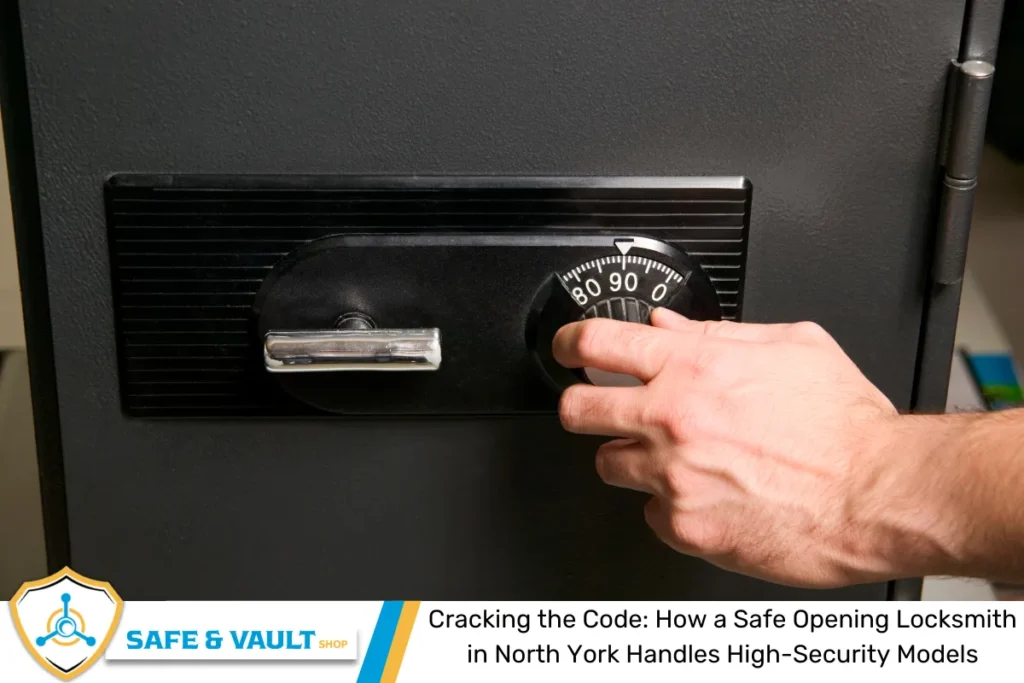
When you need a safe opening locksmith, the situation is rarely convenient. Picture a North York business owner arriving Monday morning to discover the digital keypad on their commercial safe is completely unresponsive—inside sits the weekend’s cash deposits and critical sensitive documents. The stress compounds quickly: deadlines loom, employees need payroll, and the fear of damaging an expensive high-security unit or voiding its warranty feels overwhelming.
This is precisely where a trained safecracker becomes invaluable. Rather than risking amateur attempts that could trigger relockers or destroy bolt work, professional safe unlocking methods restore access while preserving both the safe and its contents. This article explains the techniques security professionals use, the legal requirements in Ontario, what actually happens during a service call, and how to choose a qualified safe locksmith before an emergency strikes.
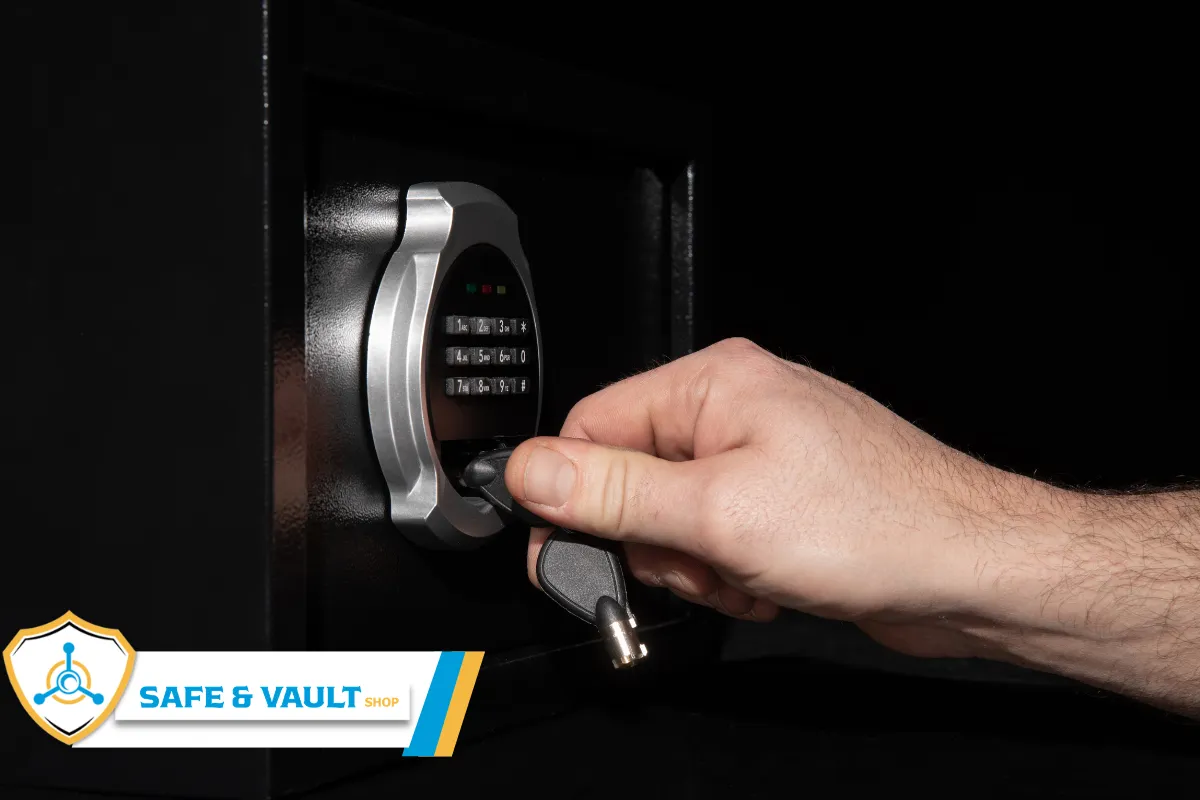
North York homes, retail shops, medical offices, and financial institutions rely on a range of protective storage solutions that far exceed basic filing cabinets. Common high-security models include:
These units incorporate hardened steel plates up to two inches thick, glass relockers that shatter to jam mechanisms if drilled incorrectly, multiple locking bolts, and active relockers tied to temperature or impact sensors. The difference between consumer-grade safes from big-box retailers—typically 12-14 gauge steel with basic pin tumbler locks—and professional-grade safe and vault hardware is substantial.
High-security safes may require specialized tools like electronic diagnostic devices and stethoscopes for access. These layered defenses are exactly what make professional safe opening complex and time-consuming, even for experienced technicians. A job that takes 30 minutes on a basic residential safe might require 4-8 hours on a TL-30 model.
Safe opening in Ontario operates under strict legal and professional frameworks. The Consumer Protection Act, 2002, and the Private Security and Investigative Services Act, 2005 (PSISA) govern locksmith services across the province.
Reputable locksmiths must verify legal ownership of the safe before attempting to open it. This means requesting government-issued photo identification plus proof of ownership such as:
In suspicious scenarios—a safe found unattended or showing signs of forced entry—a safe locksmith may decline the job entirely or recommend involving York Regional Police. Unauthorized safe entry constitutes mischief under Criminal Code Section 430, carrying penalties up to two years imprisonment.
Privacy remains paramount when opening safes containing cash payroll, patient records, or legal documents. Responsible safe and vault professionals maintain detailed records of work performed while protecting client confidentiality under PIPEDA guidelines. Safety protocols include proper lifting gear for units exceeding 500 pounds, ANSI-rated eye and ear protection, and controlled drilling techniques with HEPA vacuums for metal dust.
A typical service call unfolds methodically over 1-6 hours, depending on complexity. Here’s what to expect:
For locksmith services in North York, call-out costs generally range from $100 to $300, with specific services like lockout assistance costing between $70 and $150. The cost of unlocking a safe can vary depending on the size and type of safe, as well as the level of difficulty involved in opening it, typically ranging from $50 to $500.
A professional safe-opening locksmith prioritizes preserving the safe’s integrity and its contents during the opening process. This is methodical work—not Hollywood dramatics.
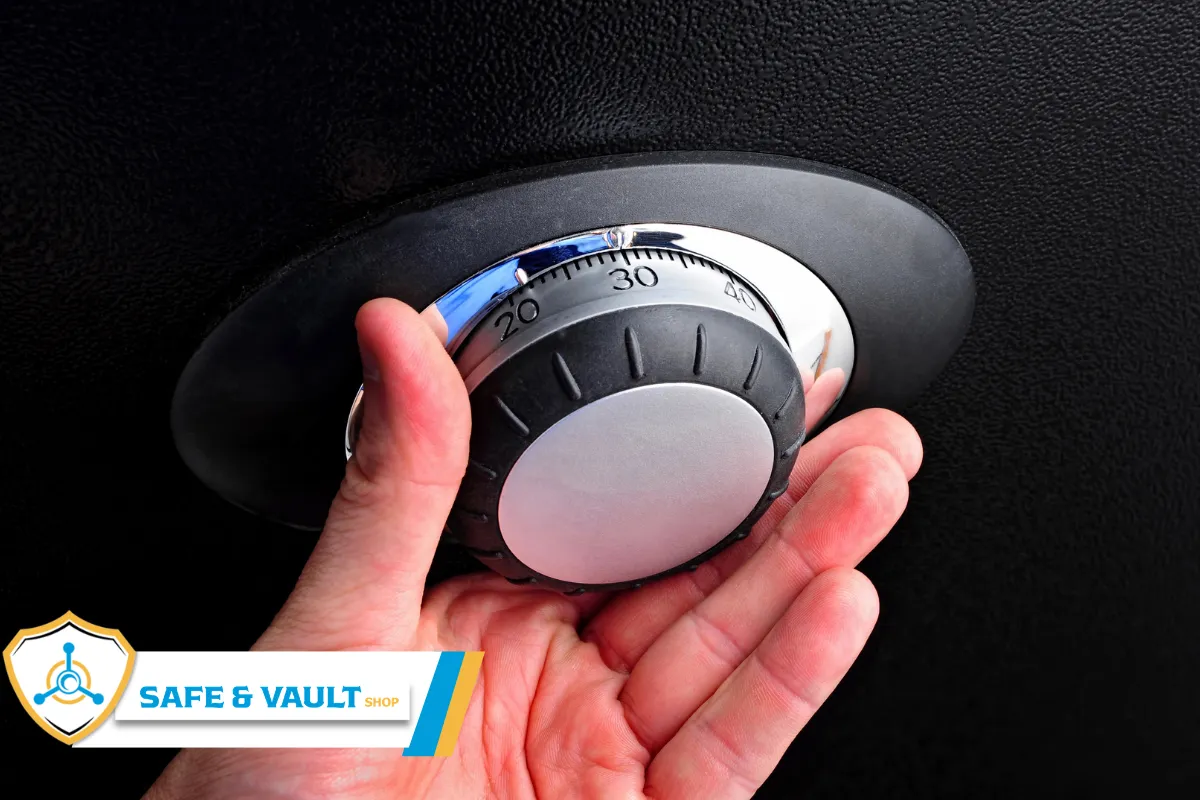
Safe manipulation is a technique that requires skill and patience, where a locksmith listens to and feels the movements of the lock’s internal wheels to determine the combination without damaging the safe. This delicate task remains the gold standard for opening mechanical combination locks.
A standard 3-wheel combination pack contains one million possible combinations. However, skilled technicians exploit subtle feedback from spindle torque—variations as small as 0.5-2 ounce-inches—to map contact points where wheels engage at their gates. Tools include:
This process requires patience, often taking 1-4 hours on well-maintained locks. Modern high-tolerance mechanisms tighten manufacturing to 0.001 inches, making the work even more demanding. The advantage is substantial: successful manipulation leaves the lock fully functional, preserves warranty coverage, and maintains the safe’s security rating.
However, limitations exist. Worn brass wheels on safes over 20 years old cause false contacts, while key-changeable locks with spooled levers resist feel-based techniques. When these methods fail, technicians must escalate to more invasive approaches.
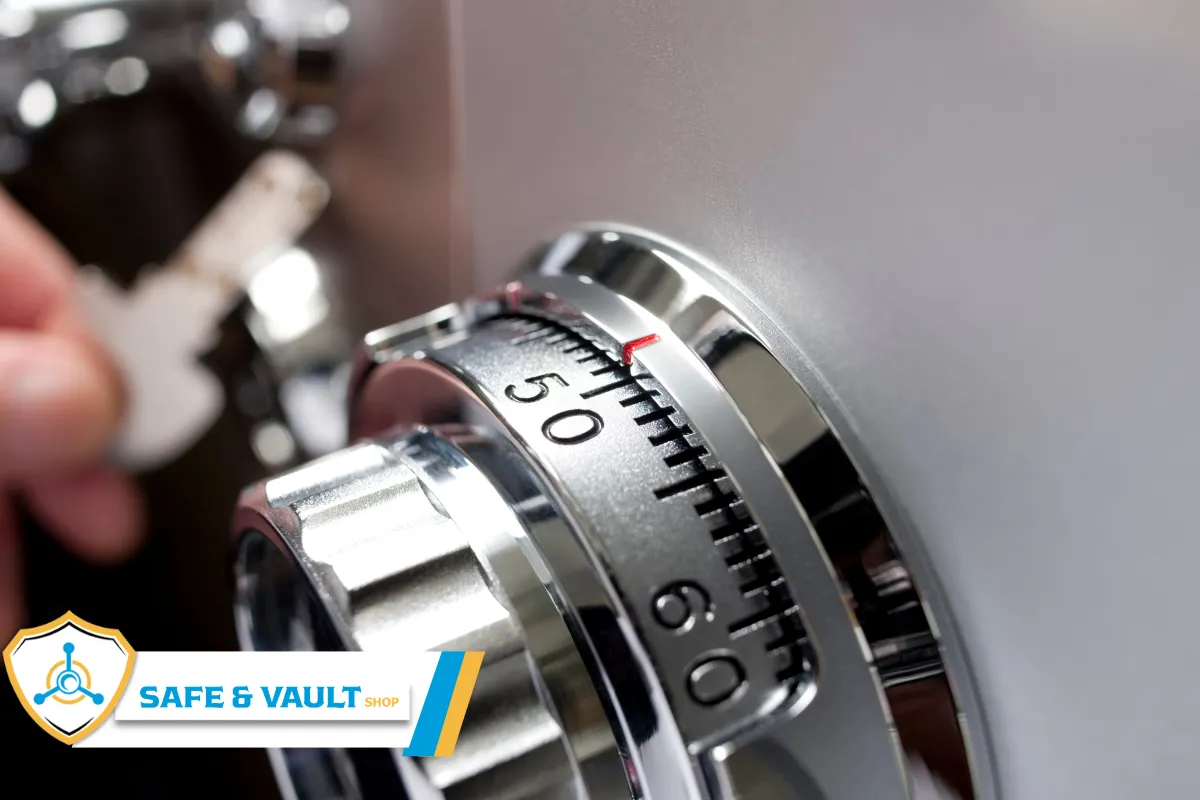
When manipulation won’t work or time constraints are critical, a safe locksmith employs surgical precision rather than brute force. These controlled techniques require manufacturer knowledge and specialized training.
Drilling is often used as a last resort method for opening safes, where a locksmith carefully drills a small hole to access the lock mechanism, ensuring minimal damage to the safe. Strategic drill points are identified based on manufacturer diagrams to bore tiny holes for safe access.
The process involves:
On TL-15 and TL-30 models, angular attack approaches help bypass hardened plates. After opening, locksmiths typically fill drilled holes with hardened steel plugs or specialized repair kits to restore the safe’s security level, often using 3M metal plugs hardened to 55 Rockwell C.
Read Floor Safe Lockouts: Can a Safe Opening Locksmith in North York Unlock Them?
Scoping a safe involves drilling holes to insert optical tools that allow locksmiths to see the internal components of the lock mechanism, helping them determine the best method to open it. Rigid borescopes as small as 0.04 inches in diameter with 100x magnification provide detailed views of wheel stacks, relocker pins, and bolt work.
This technique proves especially valuable on complex commercial security systems in North York businesses, where the information gained justifies the minimal drilled hole required. Because the access point is small and repairable, scoping balances effectiveness with preservation.
Modern digital safes and electronic locks present different challenges. Locksmiths may use electronic decoding techniques for digital safes, which can involve trying factory default codes or using specialized tools to bypass the lock electronically.
Trained technicians use oscilloscope diagnostics to identify voltage faults (dead batteries often read at 0.8V), manufacturer service sequences, and in some cases EEPROM programmers for firmware access. Many post-2020 safes include RFID backup systems requiring proprietary equipment.
Importantly, radiological safecracking involves using low doses of gamma rays to gather information about a safe’s construction, allowing technicians to determine the combination without damaging the safe or its contents—though this remains a highly specialized technique used primarily in forensic contexts.
Reputable locksmiths never disclose bypass methods publicly, as this information could aid criminals.
Many emergency calls in the greater Toronto area involve safes exposed to fire damage, water intrusion, or physical attack attempts. Each scenario demands adapted techniques.
Fire Exposure Heat warps doors at approximately 1200°F, fusing insulation materials and seizing 1.5-inch bolts. Locksmiths may use oxy-acetylene torches at controlled temperatures for warping reversal or target drilling in softened steel areas.
Flooding Damage Water from sprinklers or basement flooding rusts internal components quickly—stainless steel can show corrosion within 48 hours at low pH levels. Electronic keypads short-circuit, and insulation swells against moving parts. Jammed keypads are a common result.
Physical Attack Aftermath After forced entry attempts, internal gearboxes misalign and relockers may be triggered. Torque wrenches rated up to 500 ft-lbs may be necessary for controlled disassembly.
Professional safe locksmiths utilize non-destructive methods to open safes, ensuring minimal damage to the safe and its contents during emergencies. In emergency situations, locksmiths may use various techniques such as manipulation, electronic decoding, or drilling to access locked safes, depending on the lock type and urgency. Protecting contents—covering important documents with mylar sheets, controlling sparks near media—remains paramount throughout.
Locksmiths may charge higher rates for emergency services, especially during late-night or weekend calls, which can significantly increase the overall cost of service.
Successfully opening a locked safe is only step one. Restoring security requires professional workmanship on several fronts.
Common Post-Opening Tasks:
Safe repair services can address various issues such as stuck doors, faulty locks, or jammed keypads, ensuring that safes remain functional and secure. Technicians may recommend upgrading older mechanical dials to UL Type 1 electronic locks for easier combination change management.
Regular maintenance of safes, including checking locks, hinges, and bolts, is essential to extend their lifespan and prevent unexpected issues. Annual service—lubricating bolt work with graphite paste, tensioning springs, verifying door alignment—can reduce lockout incidents by up to 50%.
Professional safe installation is crucial for ensuring both security and peace of mind, as it involves selecting the best location and anchoring the safe securely to 4000 PSI concrete. Never continue using a damaged or poorly repaired safe, as substandard repairs undermine the original burglary or fire rating and may void insurance coverage.
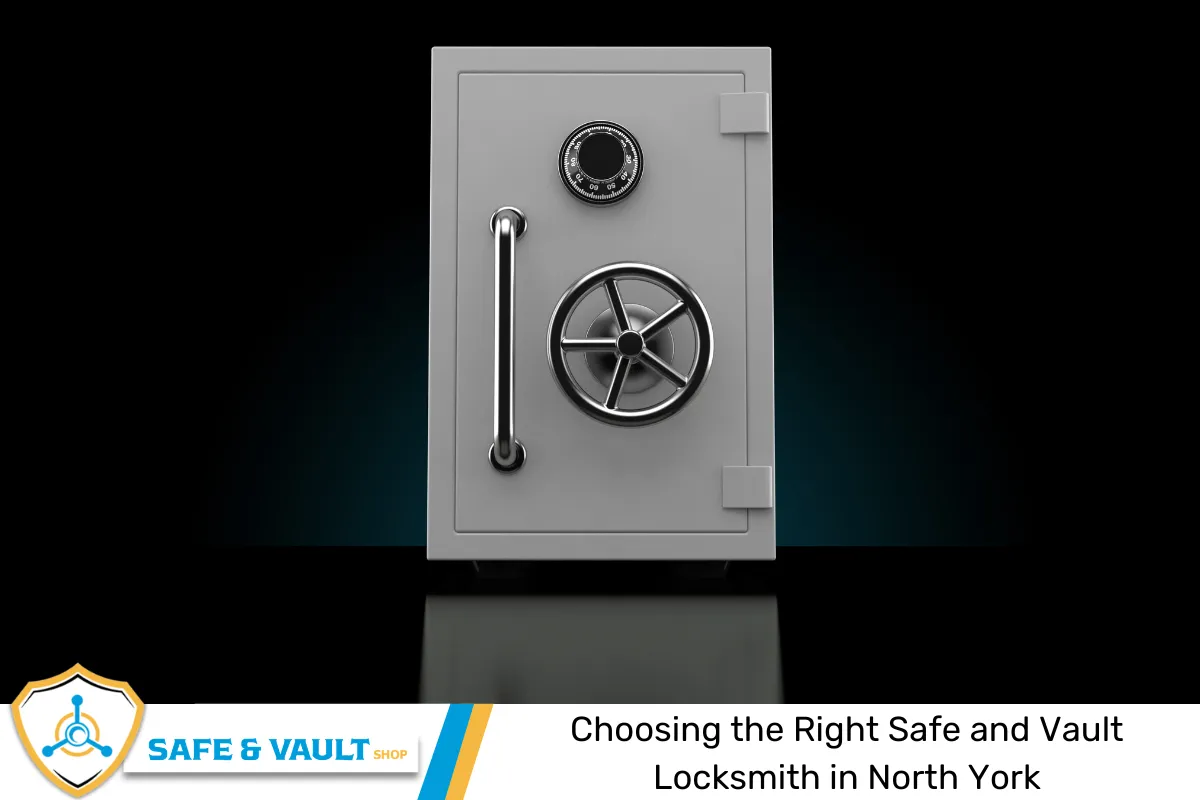
Not all locksmiths possess equal experience with high security safes and vault services. Here’s what to verify before hiring:
Credentials to Confirm:
Questions to Ask:
Beware of anyone promising “guaranteed 5-minute openings” on high-security models—real averages run 2.5 hours or longer. Dedicated safe technicians who also handle relocations and ongoing vault opening services outperform generalists by significant margins in non-destructive success rates.
Keep contact details for a reliable service provider on hand before an emergency lockout occurs. Serving Toronto and surrounding areas, experienced teams can respond quickly when residential and commercial clients need help most.
High-security safes protect valuables only when opened, repaired, and maintained by trained specialists who understand both the technology and the legal requirements in Ontario. Whether you own residential safes for documents and firearms or manage commercial security systems for a business, treating your safe as an integral part of your overall security plan—not just a metal box—ensures it performs when needed.
Attempting DIY methods risks triggering relockers, damaging bolt work, and creating problems that cost far more to repair than a professional service call. Qualified help means regaining access safely while setting the stage for upgraded added security in the future.
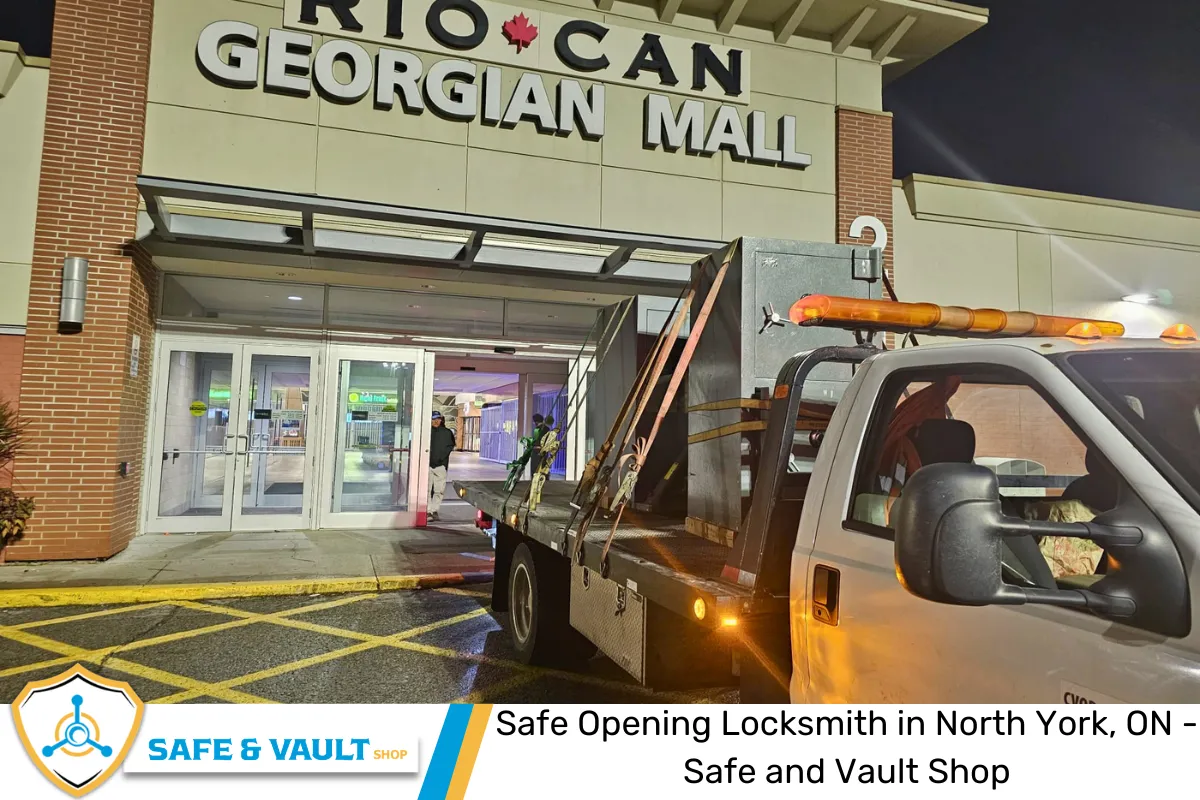
At Safe and Vault Shop, we specialize in safe opening services for residential and commercial clients throughout North York, Ontario and the surrounding areas. Our experienced technicians handle everything from electronic safes with jammed keypads to high-security vault doors requiring precision manipulation.
When you’re locked out of a business safe containing payroll or a home unit protecting important documents, we respond with the right tools and training to regain access efficiently. We prioritize non-destructive methods whenever possible, and our full range of vault services includes safe repair, combination change, safe installation, and ongoing maintenance services.
Emergency locksmith services are available 24/7 to assist with urgent situations such as being locked out of a safe or vault. For emergency lockouts, forgotten combinations, or malfunctioning electronic locks, call us at (647) 762-7387 or fill out our contact form. We deliver quality service with utmost care—because your security and peace of mind matter.
Opening times vary significantly based on safe type, condition, and method required. Simple electronic lock failures or dead batteries might resolve in under an hour, while manipulation on a TL-30 rated safe can take 4-8 hours. Drilling with proper documentation and plugging typically falls in the 2-4 hour range.
Technicians provide estimated timeframes after on-site inspection, as factors like fire damage or triggered relockers can extend the process. Even when the job runs lengthy, careful work protects both the safe and contents. Rushing increases the risk of triggering additional security mechanisms or causing unnecessary damage that complicates repair. Expect your safe locksmith to keep you informed throughout.
Gather the safe’s brand name, approximate age, model number (often on a plate near the handle or inside the door frame), and any documentation including original purchase receipts or previous combination records. Have government-issued photo ID ready, plus proof of ownership like invoices, property documents, or business incorporation papers.
Taking clear photos of the outside of the safe, including the lock type, any visible damage, and the surrounding area, helps during the initial phone assessment. The more accurate information you provide upfront, the better the locksmith can estimate cost, time, and likely methods. This preparation can reduce on-site assessment time by 20% or more.
Manufacturer policies differ, but generally invasive methods like drilling can affect warranties if not performed by qualified technicians using proper procedures. Non-destructive manipulation typically preserves the safe fully—no holes, no damage, no rating impact.
When drilling is necessary, proper repair with hardened plugs and documentation usually maintains the safe’s integrity for insurance purposes. Keep all service reports and repair invoices, as this documentation proves helpful for warranty discussions or insurance claims. Using an inexperienced contractor poses far greater risk to your safe’s rating than working with a specialist who follows manufacturer protocols.
Contents coverage typically falls under your existing home, tenant, or business insurance policy rather than the locksmith’s insurance. Before scheduling service for high-value contents like deposit safes with significant cash or jewellery, contact your insurance provider to confirm coverage terms.
Reputable locksmiths carry liability insurance for their own workmanship—covering damage they might cause to the safe or surrounding property—but this is separate from contents coverage. Document the opening process and contents condition thoroughly for peace of mind and any potential future claims. This is especially important for commercial clients with substantial inventory or cash holdings.
For low-use residential safes, professional maintenance every 2-5 years typically suffices. High-traffic commercial units, gun safes opened frequently, or safes in challenging environments (dusty warehouses, humid basements) benefit from annual checkups.
Maintenance includes checking bolt work movement, lubricating moving parts with appropriate graphite-based products, testing relocker function, verifying door alignment, and inspecting electronic components. Consider scheduling a combination change whenever staff members with access leave your organization, or following any security incidents. Preventive care reduces emergency lockout risk substantially and extends both safe and lock lifespan by years.
Disclaimer: This article provides general information only and does not constitute legal, security, or technical advice. For specific safe and vault situations in North York, Ontario, always consult a licensed locksmith service or qualified security professionals familiar with current provincial regulations.
Read Safe Repair in North York, ON: How Do You Fix a Misaligned Safe Door?
Why Testing After Safe Repair Is Non‑Negotiable When you hire
Safe Opening Locksmith Services and the Question of Older Locks
From Locked Out to Back in Control When you need
Can a Safe Opening Locksmith Really Unlock a Floor Safe?
When Your Safe Door Stops Closing Properly Safe Repair in
When Your Safe Refuses to Open: Why It Happens and
When a Simple Beep Turns Into a Lockout Emergency North
Why a Damaged Safe Dial Is More Than Just an
North York Safe Opening Locksmith services are often the first

North York Safe Opening Locksmith services often begin with an